

Ultimate Guide to Event Planning Tips and Trends
Ultimate Guide to Event Planning Tips and Trends
Event planning is a multifaceted process that encompasses strategy, creativity, and logistics. This guide delves into essential tips for successful event planning, featuring interactive trends, DIY inspiration, and how to effectively market your events. Additionally, we highlight popular promotional items and behind-the-scenes insights to enhance event success.
The Essentials of Planning an Engaging Event
When diving into the essentials of planning an engaging event, several crucial components come into play. Understanding these elements is fundamental to ensuring your event not only meets expectations but surpasses them.
**Event Concept Development**
– Begin with a clear vision: Identify the purpose of the event—networking, education, celebration, or a mix.
– Create a theme that resonates with your target audience. Consider seasonal elements, the event’s objectives, and the audience’s interests.
– Conduct initial brainstorming sessions to evaluate different angles for your event concept.
**Budgeting**
– Outline all anticipated expenses, including venue costs, catering, marketing materials, and entertainment.
– Prioritize spending: Allocate funds based on the impact and necessity of each component.
– Keep funds for unexpected costs; flexible budgeting often means the difference between success and setback.
**Venue Selection**
– Choose a location that reflects the event’s tone and accommodates the expected number of attendees.
– Consider accessibility: Ensure the venue is easy to access for all participants, including those with disabilities.
– Always scout potential venues: Visualize how the space will support interactive elements like seating arrangements, photo booths, and product displays.
**Scheduling**
– Develop a detailed timeline leading up to the event. Include important deadlines for marketing, logistics, and confirmations.
– Identify key activities and assign time slots, leaving room for attendee interaction. Avoid cramming: well-spaced agendas keep energy alive.
**Understanding Your Target Audience**
– Conduct surveys or analyze past event data to discern your audience’s preferences.
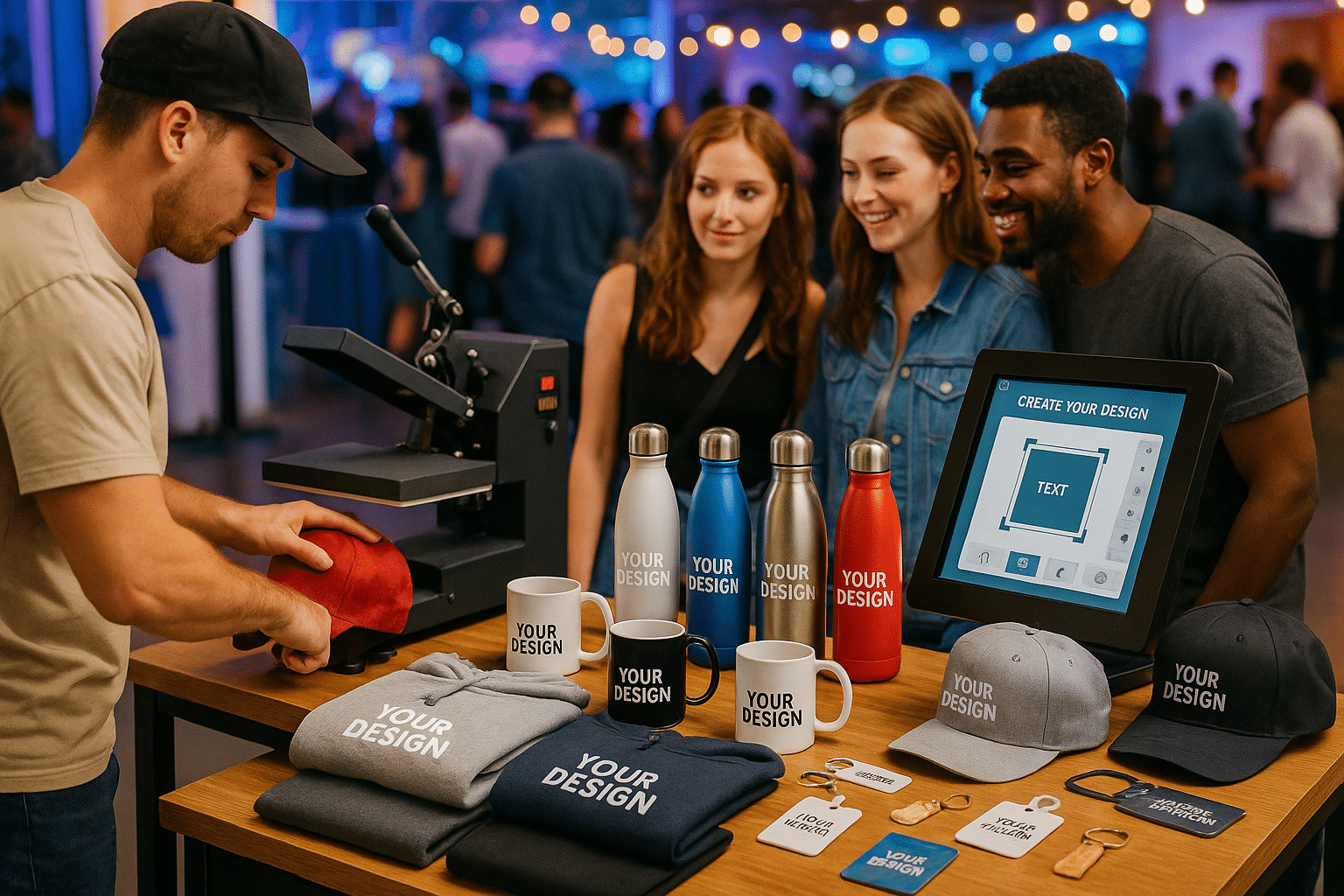
– Tailor entertainment, décor, and even your choice of giveaways—like thermal bottles, mugs, or caps—to increase relatability and engagement.
**Marketing Strategies**
– Use digital channels such as social media, email newsletters, and custom.live to build anticipation.
– Showcase testimonials from past events to establish credibility and attract participants.
– Employ SEO techniques; incorporate keywords like “hire photo booth,” “photo booth cost,” and “buy a photo booth” in both promotional materials and blogs.
**Interactive Elements**
– Integrate interactive stations, such as DIY craft areas or lounges equipped with photo booths, to maintain engagement.
– Provide unique items as giveaways, including luggage tags or laser-engraved products, that attendees can use long after the event.
**Common Challenges and Solutions**
– Anticipate technology failures; have backup plans for equipment, especially for interactive elements like photo booths.
– Monitor attendee satisfaction in real-time; be prepared to adjust on-the-fly if interactions or activities aren’t drawing interest.
By focusing on these key components of event planning and incorporating diverse interactive elements, you can create a captivating experience for all attendees, ensuring your event not only meets expectations but leaves a lasting impression.
Conclusions
In summary, effective event planning requires a blend of creativity, strategic marketing, and attention to detail. By embracing interactive trends and utilizing innovative promotional items, you can create memorable experiences that resonate with your audience. Whether you’re hiring a photo booth or crafting DIY decor, the success of your event lies in the details.