

The Ultimate Guide to Event Planning Success
The Ultimate Guide to Event Planning Success
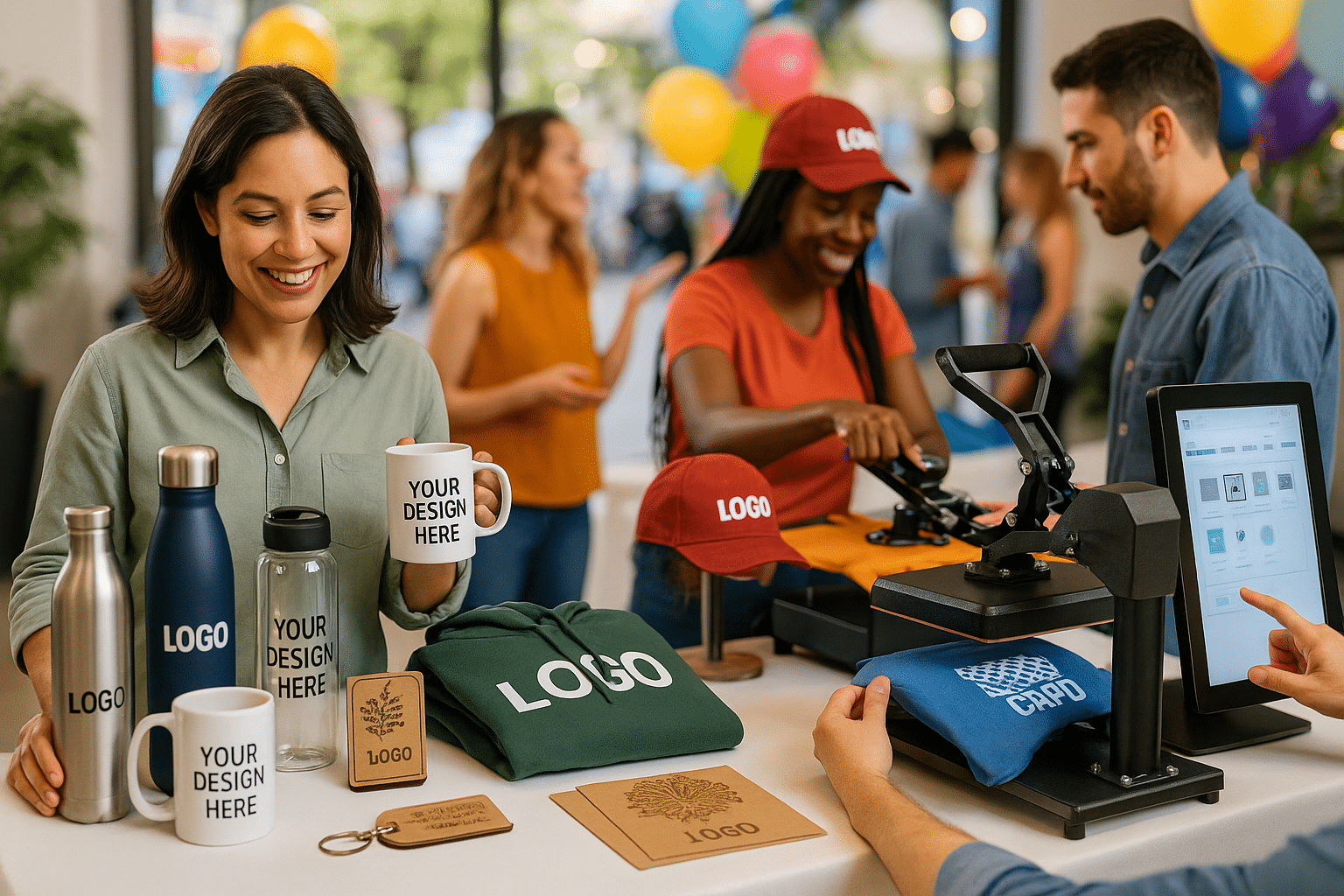
Planning a successful event requires creativity, attention to detail, and strategic marketing. In this article, we’ll explore various event planning tips, interactive trends, DIY inspirations, and effective branding techniques. We’ll also delve into behind-the-scenes insights from successful events and showcase diverse promotional items, including thermal bottles and laser-engraved products, to enhance your event’s appeal.
Essential Event Planning Tips
Understanding your target audience is paramount in event planning. Begin by conducting thorough research to uncover their demographics, preferences, and behaviors. This insight will enable you to tailor the event experience to meet their needs.
– Utilize surveys or polls to gather feedback on what potential attendees desire.
– Analyze previous events to identify what worked and what didn’t based on attendee reactions.
– Consider creating personas that represent different segments of your audience to guide your decision-making.
Setting clear objectives is another critical aspect. Establishing specific goals provides direction for your planning efforts. Whether you aim to increase brand awareness, drive sales, or foster community engagement, clarity in objectives will steer your planning process.
– Utilize the SMART criteria (Specific, Measurable, Achievable, Relevant, Time-bound) to define your goals.
– Keep your objectives visible throughout the planning stages to ensure all team members are aligned.
– Regularly review and adjust objectives as needed based on ongoing feedback and circumstances.
Effective budgeting is essential for a successful event. A well-structured budget allows for proper allocation of resources and minimizes the risk of overspending.
– List all potential expenses, from venue costs to marketing efforts, and categorize them.
– Set aside contingency funds for unexpected costs, typically around 10-15% of your total budget.
– Analyze costs of interests like hiring a photo booth or marketing materials that align with your branding strategy.
Site selection plays a significant role in the event experience. The right venue can elevate the entire atmosphere.
– Consider accessibility, capacity, and facilities available at potential venues.
– Think about the vibe of the location; it should resonate with your event theme and audience.
– Visit venues in person to assess logistics, including layout for interactive installations or booths.
Vendor coordination is crucial for seamless execution. Establish solid communication with vendors to foster collaboration.
– Create a comprehensive timeline that outlines each vendor’s responsibilities and deadlines.
– Regular touchpoints leading up to the event ensure all parties are well-informed and ready.
– Maintain a list of vendor contacts, including emergency numbers for quick communication.
Incorporating interactive sessions and creative decor can enhance attendee engagement. Interactive experiences, such as live Q&A sessions or workshops, keep attendees immersed.
– Integrate engagement tools like live polls or social media sharing to boost participation.
– Use decor that reflects your event theme while incorporating functional items, such as thermal bottles or customized mugs, that attendees can use or take home.
Lastly, communicate effectively and employ strategic marketing tactics. Digital marketing through social platforms raises visibility, while strategic partnerships can help leverage other communities.
– Build a multi-channel marketing plan that includes email campaigns, social media, and partnerships with influencers.
– Utilize captivating visuals in your marketing materials to create excitement about the event.
– Monitor engagement and adapt your marketing tactics based on audience feedback and analytics metrics.
Conclusions
In conclusion, event planning is a multifaceted process that combines creativity with strategic execution. By leveraging interactive trends, DIY inspirations, and effective marketing strategies, you can create memorable experiences. Don’t forget to consider unique promotional items that resonate with your audience. With these insights, you’re on your way to hosting successful events that leave a lasting impact.