

Elevate Your Events: Comprehensive Planning Tips and Trends
Elevate Your Events: Comprehensive Planning Tips and Trends
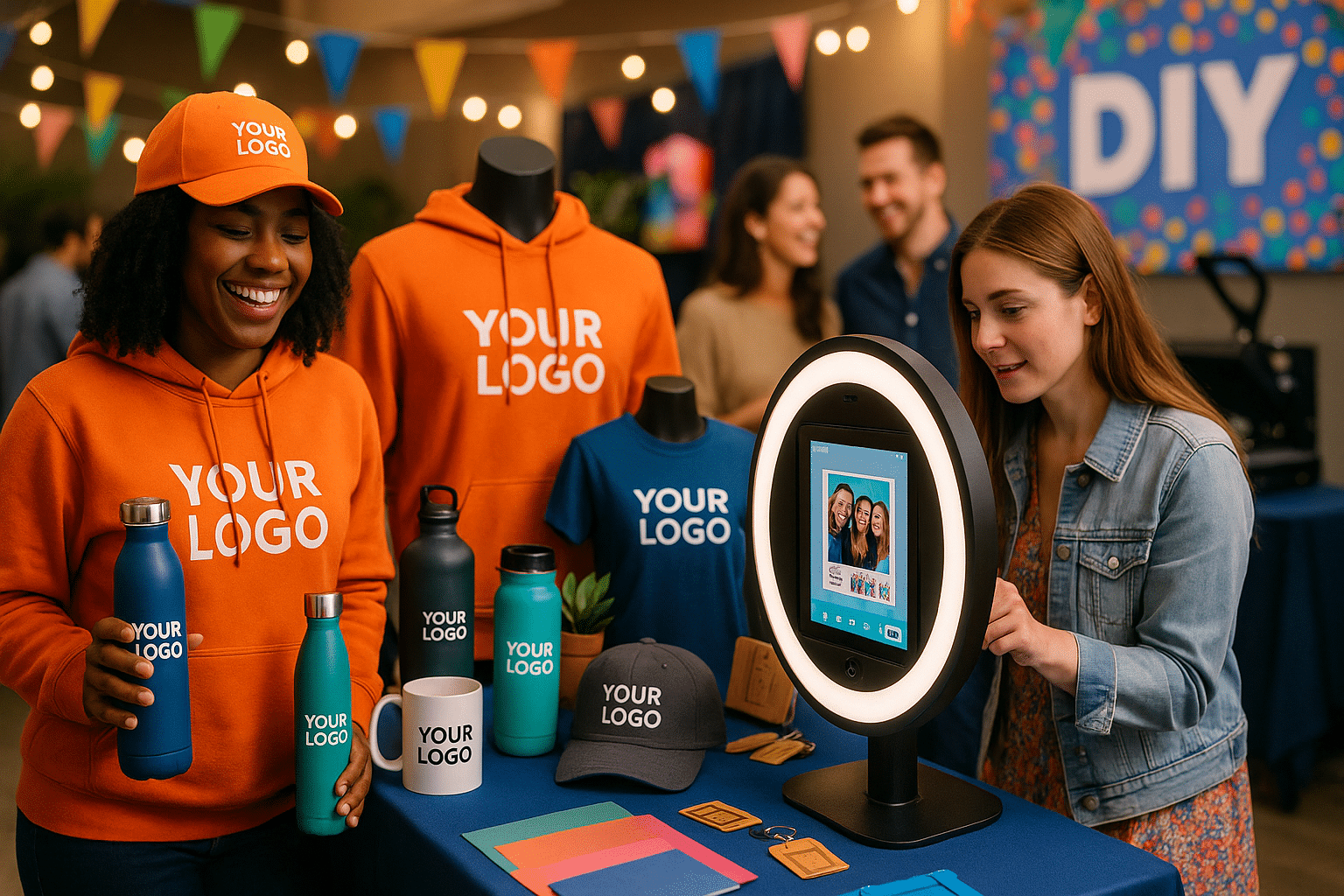
Event planning requires a mix of creativity, organization, and marketing insight. This article explores key tips and interactive trends that can enhance your events. From DIY inspirations to behind-the-scenes insights, discover how to make your next event a success, featuring unique promotional items like thermal bottles and laser-engraved products.
Smart Strategies for Event Planning
When it comes to ensuring successful event execution, implementing smart strategies is crucial. Setting clear objectives right from the start lays a solid foundation. Distinct goals increase motivation, focus your planning efforts, and provide a benchmark for measuring success. Here are some ways to set effective objectives:
– **Define the Purpose**: What is the desired outcome? Is it awareness, sales, engagement, or celebration?
– **Establish Measurable Goals**: Use metrics like attendee numbers, social media engagement rates, or post-event surveys to evaluate success.
– **Target Audience**: Identify who you want to attract. Tailoring your approach can enhance engagement and satisfaction.
Once objectives are in place, creating a detailed timeline becomes essential for smooth execution. A well-structured timeline acts as a roadmap, allowing you to allocate time efficiently across different tasks. Consider the following when building your timeline:
– **Milestones**: Break down the project into significant phases (e.g., venue booking, vendor contracts, marketing launches).
– **Deadlines**: Assign realistic deadlines to each task. This encourages accountability and helps keep the team on track.
– **Regular Check-Ins**: Schedule weekly or bi-weekly team meetings to assess progress and adjust priorities if needed.
Effective budgeting is another pillar of successful event planning. A clear financial plan minimizes the chances of overspending and helps optimize investment in key areas. Here’s how to budget effectively:
– **Itemized Expenses**: List your anticipated expenses (venue rental, catering, decorations, technology) and categorize them.
– **Contingency Fund**: Allocate 10-20% of your budget for unexpected costs. Events often have surprises, and being prepared pays off.
– **Sponsorship Opportunities**: Engage potential sponsors early. This can offset costs and improve your event’s profile.
Venue selection and logistics management greatly influence the event’s ambiance and flow. Choose a venue that aligns with your brand and accommodates your objectives:
– **Capacity**: Ensure the venue can comfortably host your expected number of attendees.
– **Accessibility**: Consider location and transport options to facilitate attendance.
– **Amenities**: Evaluate available services like Wi-Fi, AV equipment, or staging facilities.
Effective team collaboration and communication also cannot be underestimated. Foster a positive team environment where roles and responsibilities are clearly defined.
– **Role Clarity**: Assign specific roles based on individual strengths.
– **Open Channels**: Use communication tools (like Slack or Asana) to maintain clear lines of dialogue.
– **Feedback Loop**: Encourage team members to offer feedback during the planning stages, boosting morale and generating innovative ideas.
By mastering these strategies, you can create a well-organized, impactful event that resonates with attendees and achieves your objectives.
Conclusions
In conclusion, successful event planning blends creativity, effective marketing, and attention to detail. By utilizing DIY trends and interactive elements, you can create memorable experiences. Remember, incorporating items like thermal bottles and engaging photo booths can elevate your event’s appeal and brand recognition.