
Unlocking the Secrets of Event Planning Success
Unlocking the Secrets of Event Planning Success
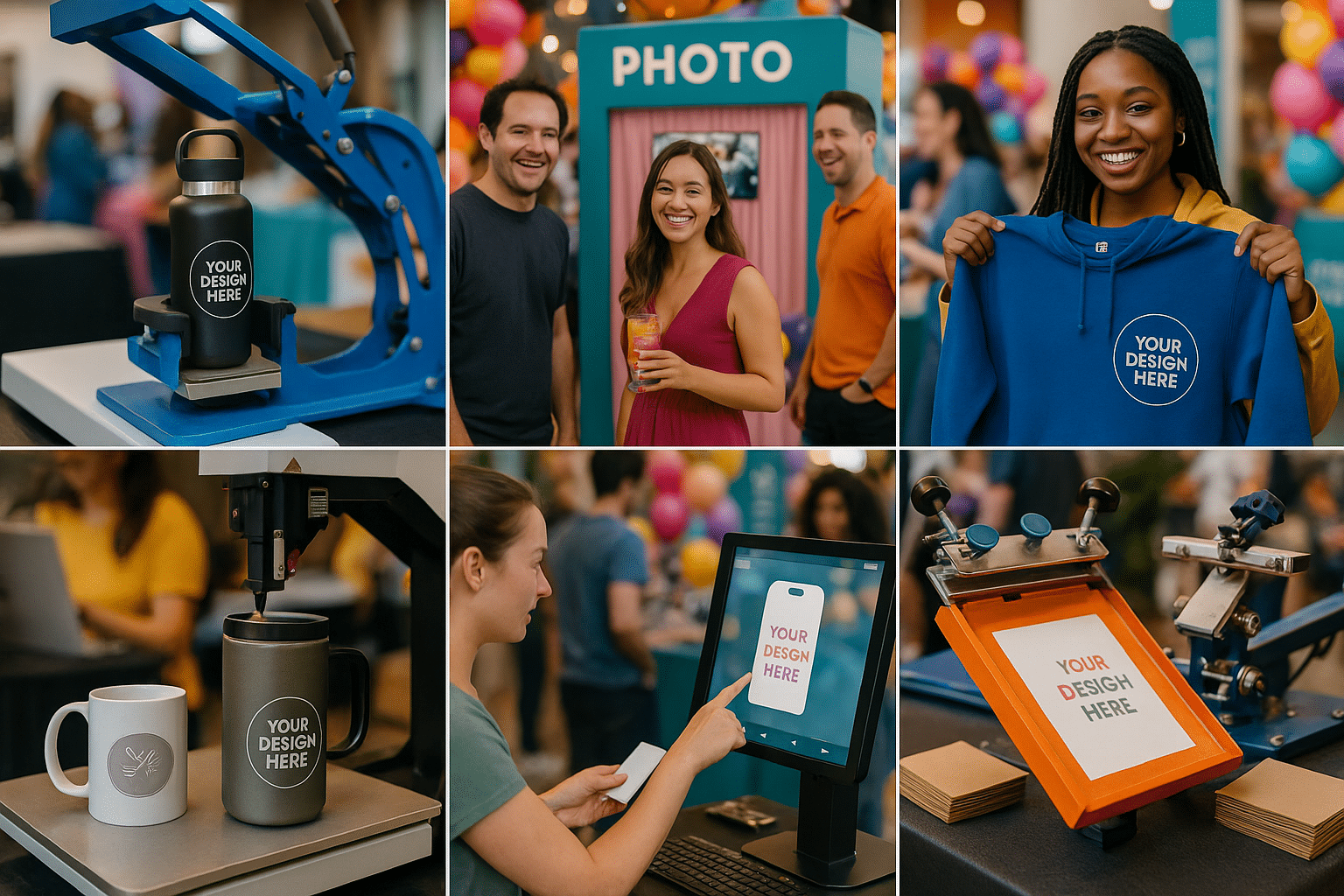
Planning a successful event goes beyond logistics—it’s about crafting memorable experiences. This blog explores essential tips for effective event planning, interactive trends shaping the industry, DIY inspirations, and effective marketing strategies. Gain insights into branding and behind-the-scenes stories, highlighting exciting items like custom thermal bottles and photo booths.
Essential Tips for Successful Event Planning
To create an unforgettable event, it’s essential to stay ahead of the curve by embracing the latest interactive trends. These innovative strategies can significantly enhance the attendee experience and foster deeper engagement. Here are some key trends to consider:
- Use of Technology: Modern events thrive on technology. Consider incorporating event apps that allow attendees to personalize their schedules, access information, and engage with one another. Live streaming enables those who cannot attend in person to participate remotely, while social media can ignite buzz prior to, during, and after the event, creating a community among attendees.
- Photo Booth Experiences: Integrating a photo booth into your event can be a game-changer. When you hire a photo booth, you create a fun and interactive space where guests can capture their memories. Offering props or themed backdrops enhances the experience, making for entertaining photos that guests can share on social media, further promoting your event. Consider exploring options such as custom photo strips or digital uploads to maximize engagement.
- Sustainability: More than ever, attendees appreciate a commitment to the environment. Plan green events that showcase sustainability through the use of reusable items like thermal bottles, eco-friendly packaging, and biodegradable materials. Highlighting these elements not only contributes to a greener planet but also aligns your brand with conscientious consumer values.
- Personalization: Tailoring the experience to individual attendees can leave a lasting impression. Provide custom merchandise, like engraved mugs, caps, and luggage tags, that allow guests to take home a piece of the event. These personalized items should resonate with the theme of your event while reinforcing your brand, ensuring attendees have something memorable to cherish after the experience.
- Interactive Stations: Beyond photo booths, consider adding other interactive stations, such as DIY craft corners or product demonstrations, to engage attendees creatively. These areas promote participation and collaboration among guests, enriching the overall experience and making your event stand out.
By integrating these interactive trends into your event planning strategy, you not only amplify engagement but also create lasting memories for your attendees, enhancing the overall impact and success of your event.
Interactive Trends in Event Planning
Staying ahead means embracing new trends. Explore interactive trends that can enhance your event:
- Use of Technology: Incorporate apps, live streaming, and social media to engage attendees pre- and post-event. Utilize event outreach tools that allow seamless interaction before the actual day, such as dedicated event apps for networking, live polling, and interactive Q&A sessions during presentations.
- Photo Booth Experiences: Hire photo booths and other interactive stations to create memorable snapshots and shareable moments. Offering various backdrops, props, and on-the-spot printing or digital sharing options can boost attendee engagement. You can tailor these experiences to align with your event’s theme, ensuring they fit seamlessly into the overall atmosphere.
- Sustainability: Plan green events that focus on environmental responsibility. Incorporating reusable or thematically appropriate items, such as thermal bottles and eco-friendly packaging, not only enhances your brand’s reputation but also resonates with environmentally conscious attendees. Promote a waste-free environment by encouraging the use of refillable water bottles and recycle bins at the venue.
- Personalization: Offer custom merchandise tailored to your attendees. Consider providing items like laser-engraved products, cardstock invitations, or even hoodies and caps that showcase the event brand or theme. Personalized giveaways ensure attendees leave with meaningful mementos that resonate and keep your event in their minds long after it’s over.
Event success also hinges on the ability to adapt to emerging trends. Consider including cutting-edge options such as virtual reality experiences or augmented reality features to keep your event exciting and memorable. This forward-thinking approach attracts tech-savvy participants, enhancing user engagement and making your event stand out.
When it comes to leveraging trends, hosting interactive workshops allows for hands-on learning and unique experiences. These sessions can cover topics ranging from creativity in branding to practical DIY decor techniques that merge personal touches with professional charm.
The gathering of these interactive elements will create a holistic experience that not only keeps your audience engaged but also generates buzz and excitement in the lead-up to and following your event. As you plan, consider integrating a photo booth as a central feature, as a high-quality option could transform your event into a social media sensation, showcasing unique experiences and your brand.
Incorporating DIY Inspirations into Your Events
DIY elements can immensely enhance the character of your event, allowing for a unique touch that distinguishes it from the typical gatherings. Here’s how to effectively incorporate these DIY inspirations into your event planning:
- Creative Decor: Engage attendees by organizing DIY decor workshops where they can craft their own unique decorations. Alternatively, set up interactive decoration stations stocked with materials—such as cardstock, paints, and embellishments—letting guests personalize their environment and feel a sense of ownership over the space.
- Customized Swag: Offer personalized items such as customized mugs, thermal bottles, or luggage tags. Set up booths where guests can choose colors, designs, or even add their names, turning regular swag into cherished keepsakes. Not only does this encourage participation, but it provides lasting memories linked to your event.
- Engaging Activities: Integrate DIY crafts or friendly games into your schedule. Consider activities where participants can create something tangible—like decorating caps or hoodies—for themselves, or even collaborating on group projects that can be displayed at the event. This hands-on approach fosters interaction and camaraderie among guests, making your event more memorable.
- Storytelling: Share compelling success stories from past DIY events to inspire your attendees. Adaptable and relatable narratives resonate, showing how these creative projects led to unforgettable experiences. Highlight projects that resulted in impressive outcomes, turning simple materials into extraordinary results. This not only motivates guests but also showcases how creativity can enhance their own events.
- Utilize Photo Booths: To amplify the excitement, consider integrating a DIY photo booth area where guests can create their own backgrounds or props. Whether it’s through quirky signs or fun costumes, participants can immerse themselves in creative expressions. Promote the idea to “hire photo booth” or “buy a photo booth” options, tapping into an appealing trend, as they enhance the fun atmosphere and allow guests to capture the excitement of DIY creativity.
Incorporating DIY elements creates an interactive environment that encourages creativity and fosters community among attendees. The memories forged through these efforts can lead to lasting relationships, enhancing the overall success of your event.
Strategic Event Marketing and Branding
Effective marketing is crucial for event success. Consider these marketing strategies:
- Build Your Brand: Develop a strong brand identity that resonates with your target audience. Use consistent logos, colors, and messaging across all your platforms. Consider creating branded items like thermal bottles, mugs, and hoodies that not only promote your brand but also serve a useful purpose for attendees.
- Use Social Media: Promote your event on platforms where your audience is active. Utilize engaging content, such as sneak peeks of the event setup, and encourage attendees to share their excitement using event-specific hashtags. Don’t forget to showcase interactive trends like photo booths, which can become a focal point of social sharing.
- Influencer Partnerships: Collaborate with influencers who align with your brand values and target audience. Their endorsement can greatly enhance credibility and broaden your reach. Consider featuring them in a booth at your event, especially if you offer activities like a branded photo booth. Encourage them to document their experience, enhancing organic promotion.
- Post-Event Engagement: Follow up with attendees through surveys and exclusive content to maintain interest. Share event highlights, encourage feedback on what they liked, and showcase success stories to create anticipation for future events. You can include calls-to-action encouraging attendees to engage with your brand on social media, perhaps by sharing their photo booth pictures or using a specific hashtag associated with your event.
- Content Marketing: Create a blog that features event planning tips, interactive trends, DIY inspirations, and marketing strategies. Make sure to include engaging titles that incorporate SEO keywords, such as “Photo Booth Fun: Tips to Hire the Best Photo Booth for Your Event” or “Boost Your Event Marketing with Custom Swag.” Use engaging visuals of items like laser-engraved products, caps, and cardstock to attract readers and enhance their understanding of your offerings.
- Targeted Advertising: Consider using pay-per-click advertising to reach your audience more effectively. Use geographic targeting to promote local events, emphasizing features like the cost to hire a photo booth or the benefits of buying one for your next gathering.
Behind-the-Scenes Insights for Event Success
Understanding the behind-the-scenes efforts enhances appreciation for successful events:
- Team Collaboration: Effective events are the result of seamless collaboration among various teams. This includes:
- Open communication between event planners, vendors, and clients to ensure everyone is on the same page.
- Regular team meetings to monitor progress and address any issues promptly.
- Building a supportive culture that fosters creativity and encourages team members to share ideas freely.
- Challenges Faced: Event planning is not without its hurdles. Here are some common challenges:
- Budget Constraints: Limited budgets can restrict options, making creativity essential. Find ways to do more with less, like leveraging local partnerships or seeking sponsorships.
- Unexpected Changes: Last-minute changes, such as venue cancellations or vendor issues, require a flexible mindset and quick decision-making. Having backup plans can mitigate stress.
- Time Management: Juggling multiple tasks can be difficult. Prioritizing and effectively managing time ensures all details are perfected leading up to the event.
- Feedback Utilization: Gathering and analyzing feedback is vital for improvement:
- Post-event surveys provide insights into attendee experiences and preferences, helping to shape future events.
- Engaging stakeholders in discussions about what worked well and what could be improved fosters a culture of continuous improvement.
- Acting on feedback shows attendees that their opinions are valued, enhancing loyalty and attendance for future events.
- Success Stories: Sharing anecdotes can inspire and motivate:
- Citing specific challenges faced and the innovative solutions implemented can offer valuable lessons to peers in the industry.
- Highlighting the role of unique elements, such as a customized photo booth with fun props that made an event memorable. How investing in a photo booth created interactive experiences contributes to positive attendee engagement.
- Showcasing diverse promotional products, from thermal bottles to custom mugs, that not only enhance branding but create lasting memories for attendees.
By refining collaboration, overcoming challenges creatively, utilizing feedback, and sharing success stories, event planners can forge a path toward greater success in future events.
Conclusions
In conclusion, successful event planning is a multifaceted process that emphasizes creativity, engagement, and strategic marketing. By integrating interactive elements and DIY inspirations with professional branding, you can elevate your events. Remember to use unique items like custom photo booths to leave lasting memories and ensure your event stands out in today’s competitive landscape.