

Elevate Your Events with Effective Planning and Interactive Trends
Elevate Your Events with Effective Planning and Interactive Trends
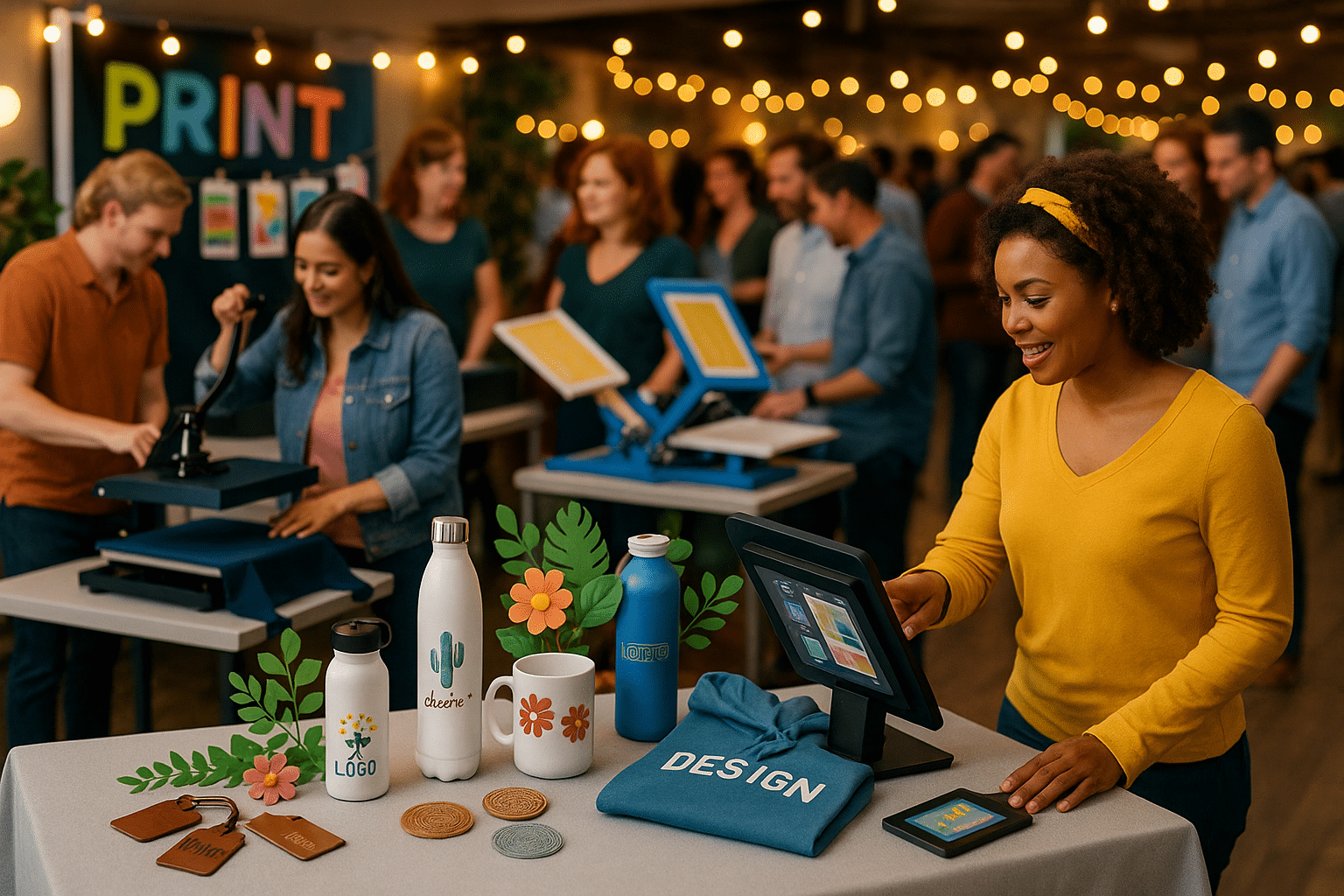
Event planning is a multifaceted process that requires creativity, organization, and strategic marketing. In this article, we will delve into essential tips for successful event planning, explore interactive trends, showcase DIY ideas, and discuss the significance of unique items like thermal bottles and photo booths in enhancing guest experiences.
Essential Event Planning Tips
Defining the goals and objectives of your event is an essential first step. By clearly outlining what you want to achieve, you can focus your efforts and resources more effectively. Consider whether your event aims to educate, entertain, promote a product, or foster networking opportunities.
– Determine the primary purpose of the event.
– Set measurable objectives to evaluate success.
Identifying your target audience is key to developing a relevant and engaging experience. Understanding who will attend enables you to tailor the content, activities, and overall environment to their preferences.
– Create audience personas.
– Consider demographics, interests, and needs.
Selecting the right venue goes hand-in-hand with understanding your audience. The venue sets the tone and impacts logistics. Choose a location that aligns with the theme of your event and is easily accessible for attendees.
– Check capacity limits.
– Evaluate available amenities and technology.
Budgeting is a vital component of event planning. A well-structured budget prevents overspending and helps allocate resources where they’re most needed.
– Break down costs into categories: venue, catering, entertainment, marketing, and contingencies.
– Always include a buffer for unexpected expenses.
Effective scheduling is crucial for a smooth event. Create a timeline that outlines all phases of planning, from initial brainstorming to post-event follow-up. Coordinate with vendors early in the process to confirm availability and align on timelines.
– Develop a detailed event timeline with key milestones.
– Schedule regular check-ins with vendors and stakeholders.
Coordinating with vendors can make or break your event. Ensure that you select reliable vendors that understand your vision and can deliver quality services.
– Research potential vendors thoroughly.
– Negotiate contracts to clarify terms.
An event timeline should detail every aspect of the planning and execution phases. This blueprint will not only keep you on track but also help your team understand their roles.
– Include setup and breakdown times.
– Plan rehearsals for critical moments like speeches or performances.
Contingency planning can’t be overlooked; it’s what will save your event in case of unforeseen circumstances. Develop backup plans for essential elements like catering, speakers, or the venue itself.
– Identify potential risks related to weather, equipment failure, or vendor cancellation.
– Prepare a list of alternatives and emergency contacts.
By implementing these strategies, you will be setting up your event for success, ensuring that both you and your attendees have an engaging and memorable experience. Aligning these steps with interactive trends and incorporating unique items, like custom thermal bottles and laser-engraved products, will elevate your event further, creating lasting impressions.
Conclusions
In conclusion, effective event planning combines creativity with strategic execution. By leveraging interactive trends and focusing on personalized touches like custom gifts, you can elevate any event to unforgettable heights, ensuring guest engagement and satisfaction. Embrace these tips for your next occasion to create lasting memories.