


Ultimate Event Planning Guide: Tips for Success and Inspiration
Ultimate Event Planning Guide: Tips for Success and Inspiration
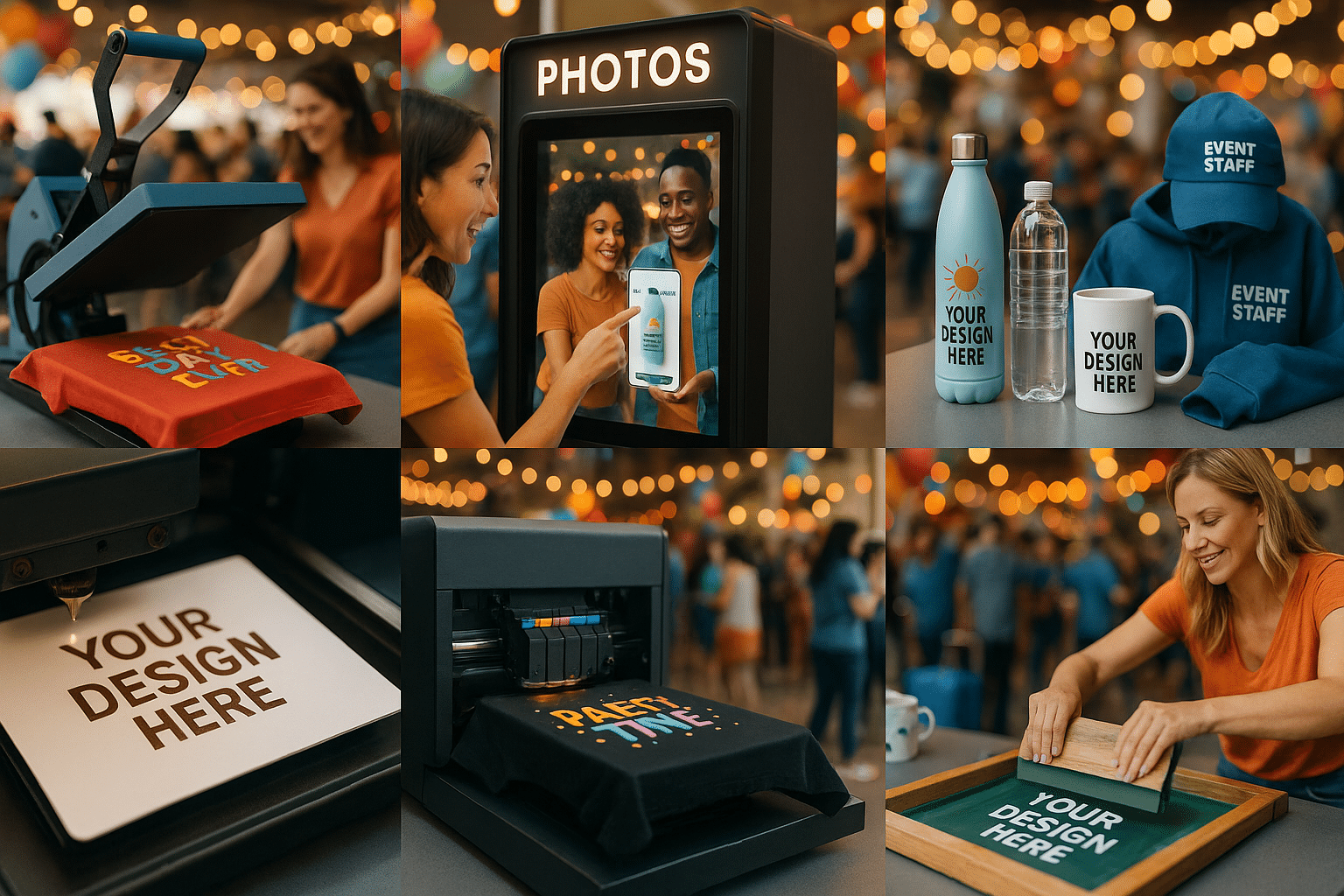
Event planning requires careful consideration of various elements to ensure success. From interactive trends to DIY inspiration and effective marketing strategies, each aspect plays a crucial role. This guide will explore engaging tips and insightful stories, showcasing products like thermal bottles and photo booths that elevate any event.
Event Planning Essentials
Event planning is a multifaceted process that requires careful consideration of several key aspects for a successful outcome. One of the most crucial steps is **concept development**. This begins with identifying the purpose of the event and understanding your **target audience**. Knowing who will attend is essential to align the event’s theme and messaging with the brand image. Consider these tips:
– Define the primary objective: networking, education, celebration, etc.
– Research demographics: age, interests, and preferences of the audience.
– Craft a compelling theme that resonates with the brand values.
Next comes the all-important phase of **budgeting**. Developing a clear financial plan is paramount to avoid potential overspending. Key budgeting pointers include:
– Establish a realistic budget early on.
– Allocate funds for major categories: venue, catering, entertainment, and marketing.
– Track expenses meticulously with **budgeting spreadsheets** or dedicated event budgeting software to ensure transparency and control.
Once the concept and budget are in place, effective **scheduling** becomes vital. Creating a timeline that outlines each phase of the planning process can help maintain momentum. Consider the following steps:
– Develop a comprehensive checklist with deadlines.
– Utilize **project management software** for task assignments and updates.
– Schedule regular check-ins with your team to monitor progress.
Another critical facet of event planning is **vendor coordination**. Efficient management of vendors and logistics can significantly affect the overall success of the event. To streamline this aspect:
– Build a reliable vendor list with contact information and service offerings.
– Schedule meetings or calls with vendors to discuss their roles in detail.
– Create an event-day timeline to ensure precise coordination among all vendors.
To ensure seamless execution on the event day, always prepare for the unforeseen. Assemble a **backup plan** to address potential challenges, such as a weather change for outdoor events or technical issues.
Lastly, incorporate essential interactive elements, such as a **photo booth**, which engages attendees and encourages participation. Keywords like “hire photo booth,” “photo booth cost,” and “buy a photo booth” can enhance your online presence and attract more attendees.
By focusing on these foundational elements—concept development, budgeting, scheduling, vendor coordination, and interactive experiences—event planners can create memorable events that not only meet but exceed expectations. Investing time and effort in these areas will pay dividends on the event day, paving the way for success.
Conclusions
In summary, successful event planning combines creativity, strategic marketing, and interactive elements to engage audiences. By incorporating DIY ideas and behind-the-scenes insights, you can create memorable experiences. Remember to consider diverse products like photo booths to enhance guest interaction, ensuring your events resonate long after they conclude.