

Mastering Event Planning: Tips for Success
Mastering Event Planning: Tips for Success
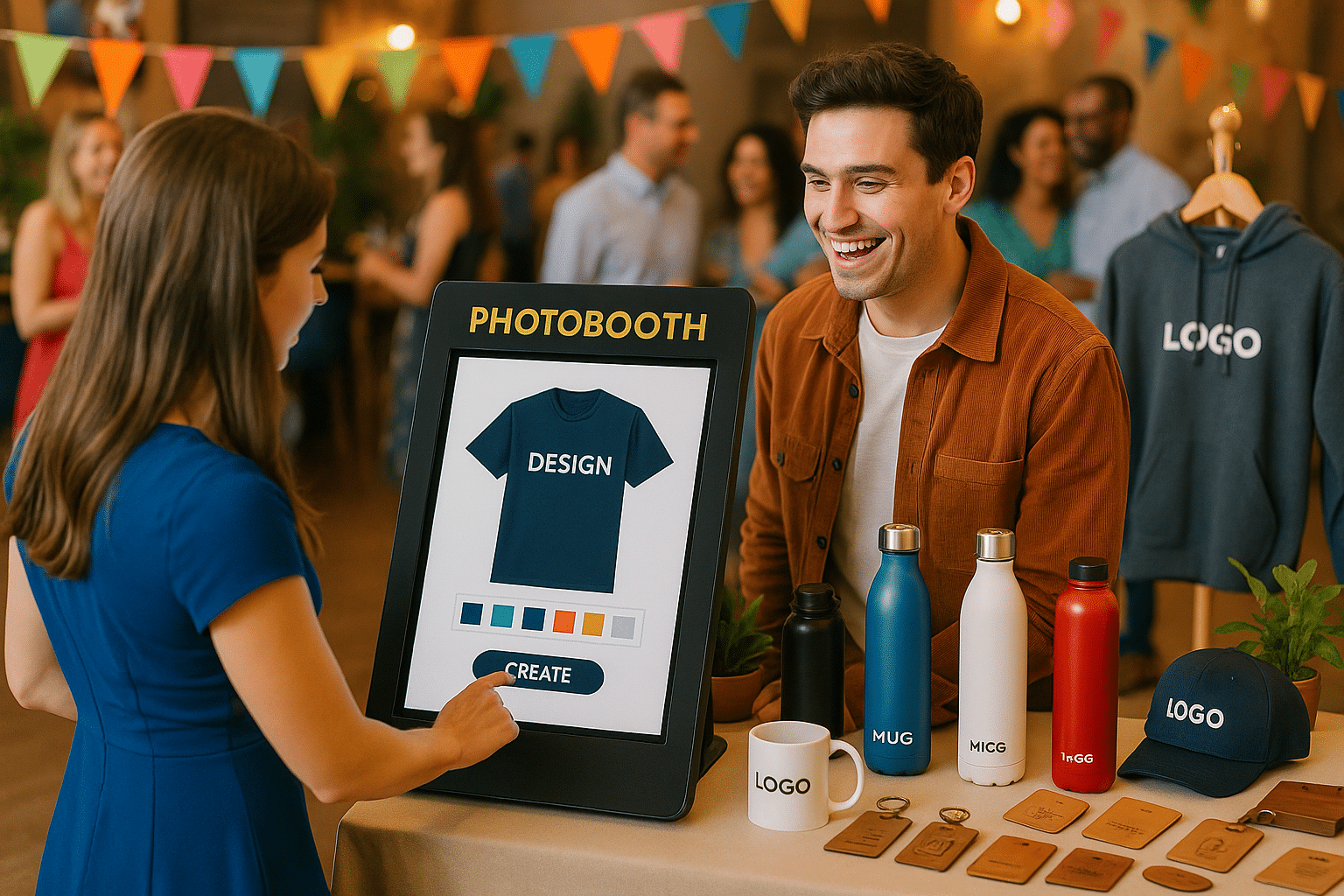
Event planning requires creativity, organization, and an understanding of current trends. This article explores essential tips for planning engaging events, focusing on interactive experiences, DIY ideas, effective branding, and behind-the-scenes insights. Whether you’re hiring a photo booth or showcasing unique items, we’ll provide valuable information to ensure your event’s success.
Event Planning Essentials
When embarking on the journey of event planning, mastering the essentials becomes crucial to ensuring success and satisfaction for both organizers and attendees alike. Key components of event planning revolve around thorough organization, effective goal setting, strategic budgeting, and an understanding of one’s target audience.
To build a solid foundation for your event, consider the following aspects:
– **Organization**: A well-structured event plan is your roadmap. Clearly define the event’s objectives and outline each step involved. Break tasks into manageable segments, and assign responsibilities to team members to ensure everyone understands their roles.
– **Goal Setting**: Establish specific, measurable, achievable, relevant, and time-bound (SMART) goals. Whether it’s increasing attendance, creating buzz on social media, or enhancing networking opportunities, clear goals will drive decisions every step of the way.
– **Budgeting**: A comprehensive budget is essential. Calculate potential costs for venues, equipment, catering, and branding materials such as customized thermal bottles, water bottles, and promotional items like mugs, hoodies, and caps. Factor in a contingency allowance for unforeseen expenses. Utilize online resources to get quotes and ensure you’re staying within budget.
– **Timeline**: Create a detailed timeline to keep the planning process on track. Schedule critical tasks such as booking venues, securing vendors, and ordering materials at least several weeks in advance. A timeline not only helps manage deadlines but also builds accountability among team members.
– **Resources**: Identify and allocate necessary resources efficiently. This might include hiring a photo booth to entertain guests or purchasing event supplies such as luggage tags or laser-engraved products. Research various options to balance quality and cost, ensuring you’re making the best choices for your event.
– **Team Coordination**: Regular communication is vital for team efficiency. Utilize project management tools to keep everyone connected. Schedule frequent check-in meetings to discuss progress, address issues, and share insights.
– **Understanding Your Audience**: Tailor your event by researching your target audience. Explore their preferences regarding themes, locations, and activities. A well-chosen theme draws attendees in and keeps them engaged, turning an ordinary gathering into an immersive experience.
Actionable tips for effective planning and preparation include:
– Start planning early to allow for flexibility in decisions.
– Align every activity or item with your event goals.
– Stay within your budget while ensuring quality and value.
– Engage audiences through interactive experiences, such as games or a photo booth.
– Capture behind-the-scenes moments to share on social media, enhancing your brand visibility.
By mastering these event planning essentials, you set the stage for a memorable experience that resonates with attendees and reinforces your brand identity.
Conclusions
In conclusion, successful event planning hinges on creativity, strategic marketing, and interactive elements. By implementing engaging trends, DIY inspirations, and thoughtful branding, you can create memorable experiences for attendees. Remember to harness the power of tools like photo booths to enhance engagement and capture the spirit of your events.