

Creative Event Planning Tips for Success
Creative Event Planning Tips for Success
Planning an event can be a thrilling yet challenging journey. Our guide offers essential tips for creating unforgettable experiences, focusing on interactive trends, DIY inspiration, and effective marketing strategies. From behind-the-scenes insights to using unique promotional items, this article prepares you to elevate your next event to new heights of success.
Engaging Your Audience Through Interactive Trends
Engaging your audience through interactive trends is essential for successful event planning. In today’s fast-paced world, merely presenting information is not enough; event planners must find innovative ways to captivate attendees and create a memorable experience. These interactive elements not only enhance engagement but also foster a sense of community among participants, which can lead to increased event satisfaction and loyalty.
One of the most popular interactive trends is the **photo booth**. These are not just fun add-ons; they serve as a powerful tool for engagement. Attendees love taking pictures, and a photo booth allows them to capture memories while also interacting with event branding. Consider offering customizable backdrops or props that reflect the event’s theme. For example, at a corporate gala, you could hire a photo booth with a backdrop that highlights the company’s achievements or products. Moreover, integrate social media sharing options for instant gratification. This amplifies your reach as attendees share their fun moments online, bringing your event greater visibility.
Live polling is another trend gaining traction in event planning. It enables real-time feedback and encourages participant involvement. Using platforms that allow attendees to use their smartphones to vote on questions keeps them engaged throughout the event. For instance, at a tech conference, you could pose questions about the latest industry trends, allowing speakers to tailor their presentations based on audience preferences. This not only engages the attendees but also provides valuable insights to the organizers.
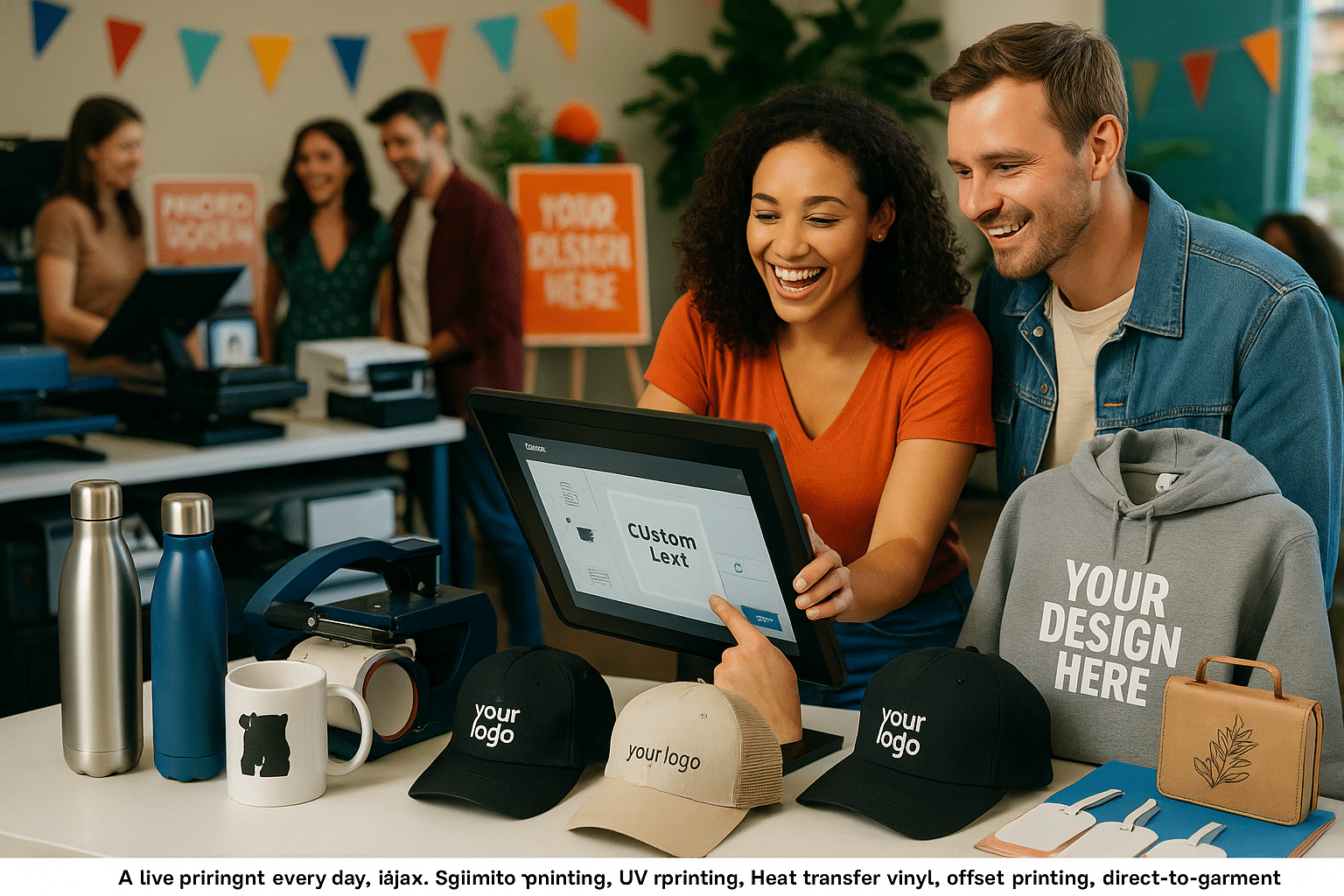
Hands-on experiences are increasingly important, as they allow participants to interact with the content and each other. Workshops where attendees can create something tangible—such as personalized luggage tags or laser-engraved products—enhance engagement. These activities strengthen social bonds and invoke the spirit of collaboration.
Successful events have leveraged these trends to create memorable experiences. For instance, at a recent music festival, a photo booth not only entertained but also served as a marketing tool, as festival-goers shared their photos across various social media platforms, increasing excitement for future events. Overall, incorporating interactive elements like photo booths and live polling can significantly enhance the overall experience, making events not only enjoyable but also impactful.
By focusing on these interactive strategies, planners can ensure that audiences are not just passive observers but active participants, transforming entire events into experiences that resonate and linger long after they conclude.
Conclusions
In conclusion, successful event planning hinges on creativity, engagement, and effective marketing strategies. By incorporating interactive trends and diverse promotional items, you can leave a lasting impression and foster greater audience connection. Embrace the art of event planning by implementing these innovative tips to ensure your next event is a resounding success.