

Creative Event Planning Tips for Unforgettable Experiences
Creative Event Planning Tips for Unforgettable Experiences
Planning a successful event is an intricate blend of creativity, strategy, and practicality. With a focus on interactivity, DIY inspiration, and effective branding, this guide will explore essential tips that empower organizers to create memorable experiences. Dive into innovative ideas and best practices that will elevate events, transforming them into unforgettable gatherings.
Understanding Event Planning Essentials
The event landscape is evolving, and one of the critical components shaping this transformation is the integration of interactive elements. Modern attendees are no longer passive observers; they crave experiences that allow them to engage actively with the event. This shift necessitates a strategic approach to incorporating interactive technologies and innovative practices that foster connection.
– **The Rise of Interactive Technology**: Innovations such as photo booths and virtual reality segments are at the forefront of this interactive revolution. A well-placed photo booth can serve as both entertainment and a branding tool. When guests can capture and share moments instantly, it amplifies the event’s reach on social media. Consider the following:
– **Hire a photo booth** with customizable features that reflect your event’s theme.
– Understand the **photo booth cost** to ensure it fits within your budget while offering maximum impact.
– If your event has recurring needs for engagement, **buy a photo booth** to streamline the logistics for future occasions.
– **Engagement Strategies**: To encourage participation, event planners need to implement strategies that resonate with attendees. Here are some tactics:
– **Interactive Workshops**: Organize hands-on sessions that allow attendees to learn new skills related to the event theme.
– **Real-Time Polling or Q&A**: Use live polling tools to let the audience influence discussions or participate in decision-making during the event.
– **Gamification**: Introduce challenges and competitions that incentivize participation, like scavenger hunts or trivia games where winners receive custom swag items like thermal bottles or hoodies.
– **Innovative DIY Ideas**: Empowering attendees to contribute to the event experience can lead to memorable interactions. Consider:
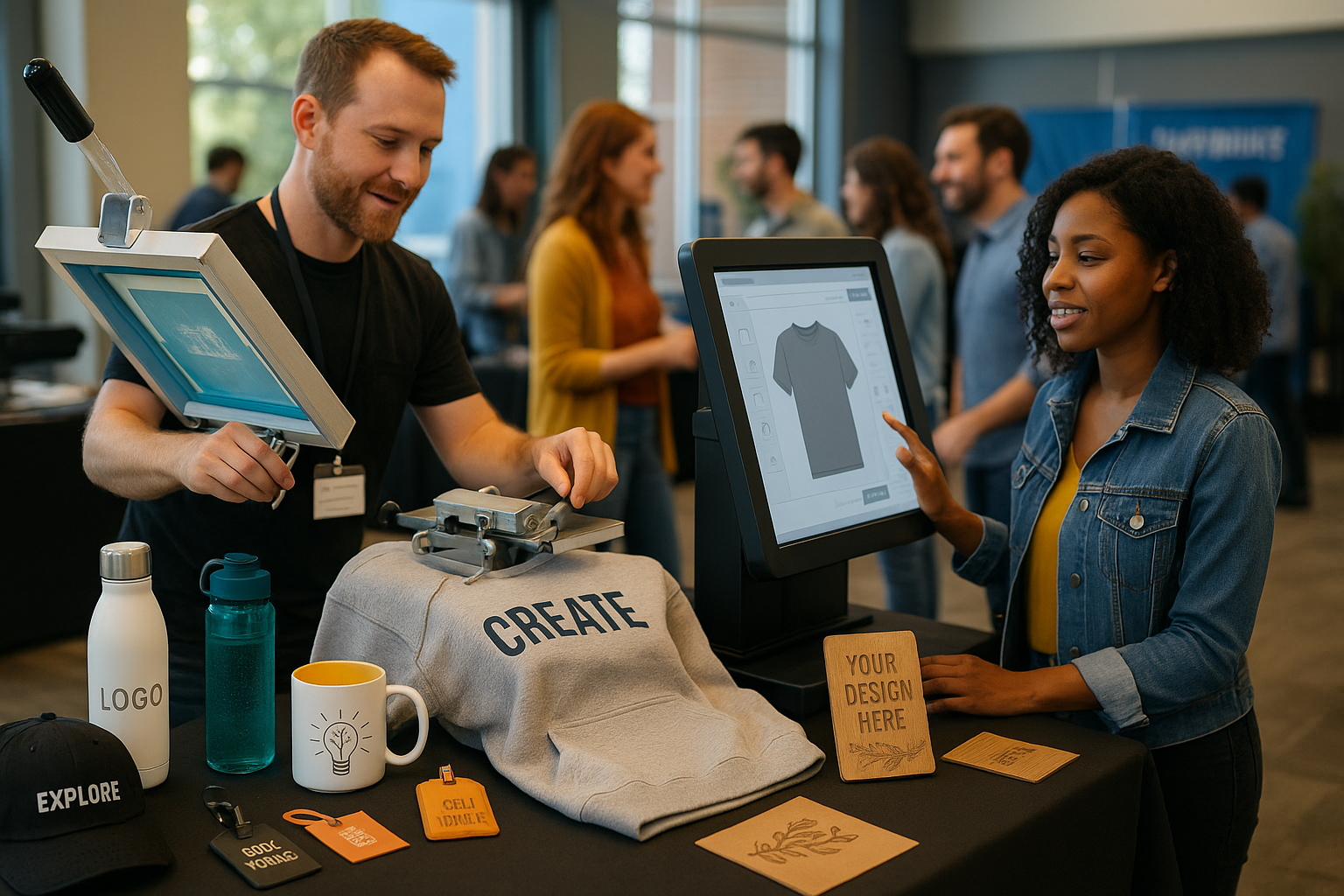
– **Personalized Stations**: Set up DIY stations where participants can create their own take-home mementos, such as laser-engraved luggage tags or custom mugs.
– **Interactive Displays**: Create spaces where attendees can leave their thoughts or contributions, enhancing a sense of community and engagement.
By embracing interactive trends, event planners not only enhance the overall atmosphere but also foster lasting connections among attendees. Incorporating these elements can transform an ordinary event into an unforgettable experience, affording planners the opportunity to truly shine in today’s competitive landscape.
Interactive Trends Shaping Today’s Events
Incorporating interactive elements is vital for modern event experiences. With a world increasingly driven by technology and aesthetic personalization, event planners must adapt to meet attendee expectations. This section examines:
- The rise of interactive technology, such as photo booths and virtual reality segments.
- Engagement strategies that encourage participation and connection among attendees.
- Innovative DIY ideas that allow attendees to personalize their experience, ensuring memorable interactions.
By embracing these trends, planners can enhance the overall event atmosphere and encourage lasting connections.
One of the most popular and engaging interactive elements is the photo booth. These fun setups allow attendees to capture memories while fostering interaction. Consider the following:
- Hire photo booth services that offer various themes and props to suit your event. Choose options that align with your branding for enhanced recognition.
- Understand the photo booth cost factors, including customization, duration of service, and features like instant photo printing or social media sharing. Budgeting wisely will ensure you maximize value.
- For those considering a more permanent solution, explore how to buy a photo booth for future uses. This can serve as an ongoing marketing tool for your brand.
In addition to utilizing photo booths, consider these engagement strategies:
- Interactive networking sessions, such as ice-breaker games or collaborative workshops. This guides attendees to connect more personally, forming community bonds.
- Make use of apps or social media platforms where attendees can provide real-time feedback or vote on event activities, allowing them a stake in the event agenda.
- Set up DIY stations where guests can create their own souvenirs, like custom mugs or laser-engraved items, ensuring a souvenir that resonates personally with them.
Lastly, DIY inspiration is crucial in an age of personalized experiences:
- Encourage guests to personalize thermal bottles or luggage tags at the event. Such items serve as functional mementos while promoting your branding.
- Share behind-the-scenes insights through live streaming or a dedicated event blog, spotlighting how DIY elements come together and emphasizing the unique touches that distinguish your event.
By embedding these interactive trends into event planning, organizers can create a rich tapestry of experiences that leave attendees thrilled and connected. The incorporation of engaging elements, from tech-driven photo booths to creative DIY crafts, not only enhances the atmosphere but also nurtures lasting relationships both between attendees and with the brand itself.
Marketing and Branding for Event Success
Effective marketing plays a pivotal role in ensuring that your event stands out and resonates with your audience. By implementing targeted branding strategies, planners can create emotional connections and foster loyalty, significantly enhancing event success. Here are several key approaches to consider:
- Establish a Strong Brand Identity: Develop a cohesive and appealing brand presence before the event. This could involve creating a distinctive logo, choosing complementary color schemes, and maintaining consistent messaging across all promotional materials.
- Utilize Promotional Events: Organize smaller promotional events leading up to the main event. This allows you to build anticipation, engage directly with your audience, and create an emotional connection through shared experiences.
- Leverage Media Opportunities: Partner with local media outlets for coverage and guarantees greater exposure. Write press releases that highlight your event’s unique aspects, background stories, and community impact.
- Social Media Strategy: Use platforms like Instagram, Twitter, and Facebook to generate buzz. Share behind-the-scenes glimpses, countdowns, and sneak peeks of what attendees can expect. Engagement can be furthered by utilizing user-generated content, encouraging attendees to share their experiences using a dedicated event hashtag.
- Post-Event Follow-Up: Keep the momentum going post-event by sharing recap videos, customer testimonials, and professional photos. This can be an ideal opportunity to promote any branded items sold during the event, like thermal bottles, mugs, or hoodies, creating a lasting impression and potential future sales.
- Integrate Interactive Features: Incorporating popular features such as a photo booth can foster engagement and allow guests to create memories. Consider promoting the idea to “hire a photo booth” which can elevate the attendee experience. You could also provide DIY photo booth props that guests can use, adding a personalized touch to their photos.
- Pursue Targeted Search Keywords: Optimize your blog content for search engines by incorporating key terms such as “photo booth cost” and “buy a photo booth.” This can increase visibility for those looking to enhance their events with such features.
Through the clever and strategic application of these marketing and branding techniques, planners can elevate their events from being mere gatherings to unforgettable experiences that resonate with their audience long after they conclude.
Behind-the-Scenes: Making It Happen
Understanding the intricate details of behind-the-scenes event planning is crucial to creating those unforgettable experiences. Every event reflects the meticulous effort involved in logistics, relationships, and strategic planning. Here are essential elements to consider:
- Venue Coordination:
- Research potential venues, ensuring they align with your event’s theme and audience size.
- Check on permits and insurance requirements, which can vary significantly by location and event type.
- Conduct site visits to assess the layout, accessibility, and suitability for your planned activities, such as incorporating a ‘photo booth’ for guest entertainment.
- Vendor Relationships:
- Establish strong relationships with vendors, as they are critical to event success. Communicate clearly about expectations, including set-up times and delivery schedules.
- Source high-quality products, from thermal bottles to laser-engraved items, which can serve as memorable giveaways. Ensure these products align with your branding for a cohesive experience.
- Set deadlines and follow up regularly to keep all parties accountable. If planning to hire a photo booth, confirm vendor availability several months in advance to avoid last-minute surprises.
- Risk Management:
- Create a detailed contingency plan to address potential disruptions, including weather changes for outdoor venues or unanticipated vendor delays.
- Maintain an emergency kit to handle minor issues — think about essentials like first-aid supplies and extra signage.
- Conduct a walkthrough with your team to locate all emergency exits and ensure that safety protocols are in place, especially if incorporating interactive trends, such as immersive experiences.
Planning an event requires navigating numerous complexities with precision. Leverage insights from your preparations to elevate your future projects. Utilize successful past experiences to inspire creativity in your upcoming events. The goal is to create a seamless experience for attendees — from their greeting to the moment they leave with customized merchandise, such as caps and mugs to remind them of their time.
Success Stories: Learning from Past Events
Examining successful event stories provides valuable lessons for future planning. By analyzing past events, planners can derive insights that not only enhance future experiences but also resonate with audiences. Here are critical aspects to consider:
- Notable Case Studies:
- Highlight events that utilized interactive elements, such as a photo booth, which engaged guests and encouraged sharing on social media platforms.
- Case studies like a company’s annual retreat that incorporated DIY workshops using branded materials like custom mugs and hoodies fostered a sense of community and brand loyalty.
- Signature elements that stood out—like unique laser-engraved products as giveaways—created lasting impressions and loyal attendees.
- Understanding Audience Feedback:
- Utilize surveys post-event to gather data on what elements were most enjoyed, such as the excitement around the hire photo booth experience.
- Collate testimonials and social media posts to gauge sentiment; positive feedback about touchpoints like personalized luggage tags can inform future branding efforts.
- Implement lessons learned: if attendees loved specific interactive trends like a crafting corner, incorporate similar DIY segments in future events.
- Creating a Unique Value Proposition:
- Clearly articulate what makes each event special; this could include exclusive merchandise, innovative themes, or networking opportunities with industry leaders.
- Position the event to stand out; for example, offer a specialized photo booth experience that allows guests to customize their photos with branded backgrounds or filters, increasing engagement.
- Ensure that every promotional channel reflects this unique value, making it central to marketing strategies to capture attention and drive ticket sales.
These success stories inspire creativity and provide practical applications for enhancing future events. By drawing upon the experiences of past events and leveraging audience feedback, planners can continually refine their strategies, ensuring that each gathering is not just an event but a memorable experience.
Conclusions
Ultimately, successful event planning relies on combining innovative ideas with strategic execution. By leveraging the insights from this guide, and incorporating unique items such as customized thermal bottles or photo booths, organizers can enhance the attendee experience and drive unforgettable memories. Embrace these tips to ensure every event becomes a resounding success.