
Elevate Your Event Planning with Creative Insights and Trends
Elevate Your Event Planning with Creative Insights and Trends
Planning a successful event requires creativity, organization, and insight into current trends. This blog explores essential event planning tips, interactive trends, and DIY inspirations that can elevate any event. Additionally, we delve into effective marketing strategies and showcase unique items that can enhance your gatherings.
The Basics of Effective Event Planning
In today’s event planning landscape, DIY inspiration is a powerful way to infuse personality and uniqueness into your gatherings while staying within your budget. By embracing creativity, event planners can craft memorable experiences that resonate with attendees. Here are several actionable ideas to consider:
- Create Custom Decorations: Utilize cardstock to design unique table settings, banners, or centerpieces. This customizable material allows for a range of artistic expressions, from elegant to whimsical, catering to your specific event theme.
- Laser-Engraved Products: Incorporate laser-engraved items as chic decor or functional giveaways. Items like keychains, coasters, or signage can be personalized with event branding or meaningful quotes, providing a lasting memento for guests.
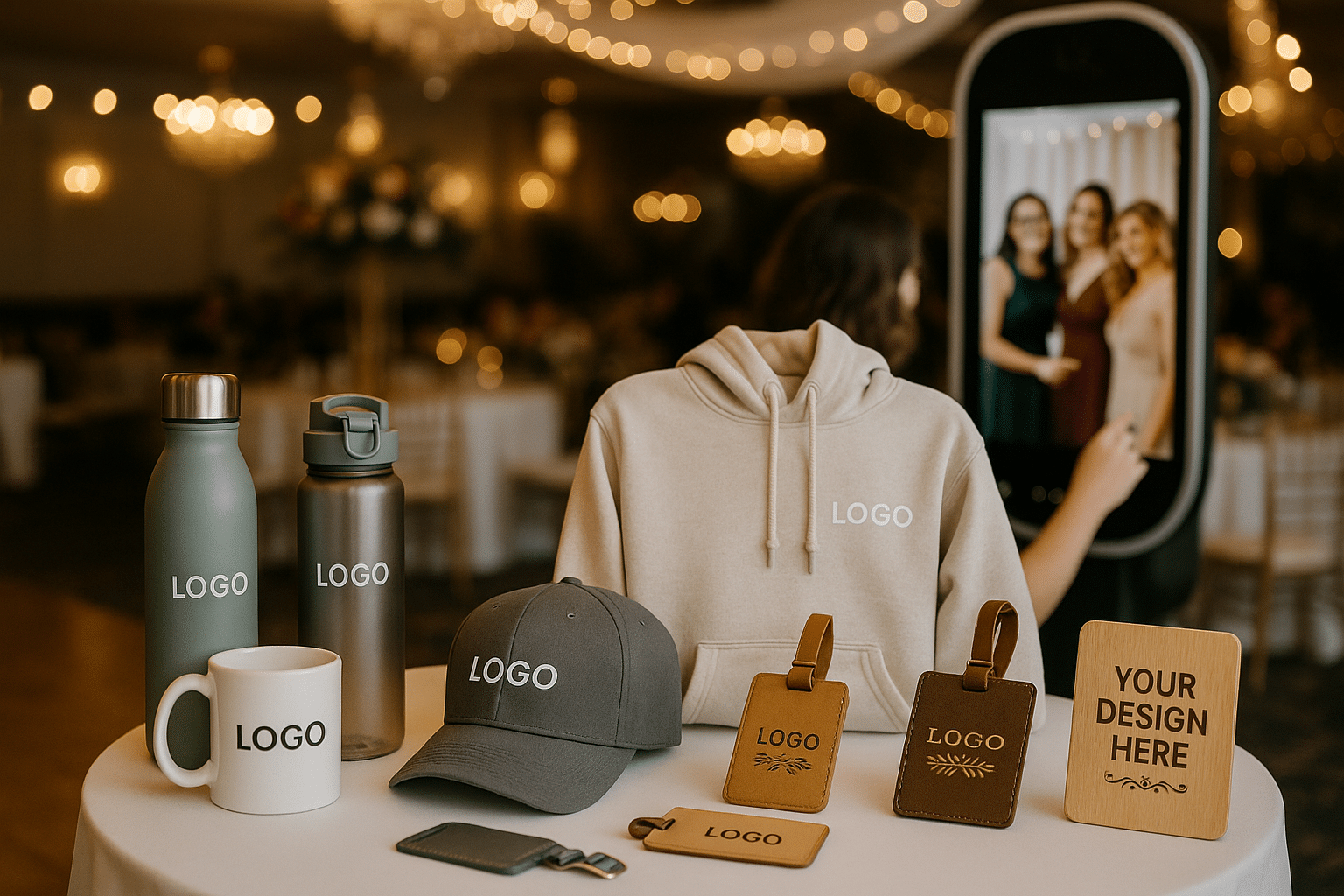
- Personalized Giveaways: Enhance attendee experience with tailored gifts. Consider custom mugs featuring the event logo or memorable quotes that align with the event’s theme. Similarly, luggage tags can be a practical yet thoughtful takeaway that guests will appreciate.
- Functional Memorabilia: Use thermal bottles and hoodies as functional keepsakes that guests can utilize long after the event. These items not only serve as branding tools but spur engagement and create a sense of community among attendees.
- Interactive Stations: Incorporate DIY stations where guests can create their personalized items on-site. For example, a photo booth where guests can design their backdrops or props can enhance interaction and create memorable souvenirs.
Success stories abound where DIY elements have elevated events from the ordinary to the extraordinary. For instance, a local charity gala transformed with custom laser-engraved table centerpieces and personalized thermal bottles left attendees raving about their unique experiences. These personal touches foster connections and enhance the overall atmosphere.
Encouraging your inner artisan can lead to incredible transformations in your events. As you plan, think beyond the standard offerings and explore how incorporating DIY elements can create engagement and leave lasting impressions. Embrace creativity, and let it flourish throughout your event to craft experiences that are as memorable as they are extraordinary.
Incorporating DIY Inspiration and Products
Explore DIY ideas that can personalize events, adding unique touches without breaking the bank. Creative DIY projects not only enhance the aesthetic appeal of an event but also allow planners to infuse their personal style into every detail. Here’s how you can effectively incorporate DIY elements into your event planning:
- Create custom decorations using cardstock and laser-engraved products: Utilize cardstock to design your own signage, table settings, and banners that align with the event theme. Laser-engraved items add a sophisticated touch—consider using them for centerpieces or as tribute pieces that reflect the event’s purpose.
- Personalize giveaways, such as mugs and luggage tags: Customized items serve as memorable souvenirs for attendees. Design mugs that capture the spirit of the event or create luggage tags that guests can use long after the occasion. These personalized giveaways can foster brand loyalty and encourage attendees to share their experiences on social media.
- Use thermal water bottles and hoodies for functional memorabilia: Offer attendees high-quality water bottles and hoodies—these items not only serve practical purposes but also act as walking advertisements for your brand when worn or used. Consider featuring your event logo or theme colors, enhancing visibility beyond the event’s bounds.
Highlight success stories where DIY elements made events stand out. For instance, at a recent local festival, planners used DIY photo booth backgrounds made from recycled materials that complemented the event’s eco-friendly theme. Guests loved snapping photos against the creative backdrop, which led to increased social media engagement as attendees shared their pictures online, driving buzz for future events.
Encourage readers to embrace their creativity in their planning processes. Incorporating DIY elements not only saves costs but also unites teams in a collaborative effort. It enhances the overall atmosphere, making guests feel involved and creating an engaging setting. With thoughtful DIY projects intertwined with interactive trends—like utilizing a photo booth for capturing fun moments—events can leave a lasting impression while fostering community and connection among attendees.
Marketing & Branding Strategies for Events
Delve into marketing and branding techniques that can elevate event visibility and engagement. Strategies like:
- Utilizing social media platforms for promotion and engagement before, during, and after the event. Create dedicated event hashtags to encourage attendees to share their experiences.
- Hiring a photo booth is an excellent way to capture moments while promoting brand recognition. Images shared online can significantly boost event visibility. You can further enhance the photo booth experience by customizing backdrops with your brand logo.
- Creating emotional connections through engaging event themes and interactive elements enhances audience recall and brand loyalty. Consider incorporating interactive stations where guests can engage with your brand, potentially including DIY sections where they can create their unique keepsakes.
- Collaborating with influencers or industry leaders to amplify your reach and credibility. Their endorsement can pique interest among potential attendees.
- Leveraging email marketing for pre-event promotions and post-event follow-ups to keep your brand top-of-mind and gather feedback.
- Offering early bird discounts and referral incentives to drive ticket sales and increase attendance. People tend to share exciting opportunities with friends, which broadens your audience.
- Utilizing targeted online advertising to attract the right demographic, ensuring that your marketing is reaching those most likely to engage with your brand.
Emphasizing the importance of both digital and physical marketing efforts is essential for driving attendance and creating buzz around your events. While online strategies may seem dominant, tangible items like thermal bottles, hoodies, mugs, and caps can become memorable marketing tools. Attendees love receiving branded merchandise that is both functional and appealing.
Branded giveaways serve as reminders of the experience and can lead to word-of-mouth promotion long after the event ends. For example, if your event features a photo booth, suggest that attendees take home a mug with a memorable photo printed on it, blending engagement with attractive giveaways to keep your brand currently visible.
Additionally, core elements like aligning your marketing messages across all channels will leverage awareness and create a seamless experience for attendees. By fostering engagement and maintaining consistency in your branding elements, your event will not only attract attention but also nurture a meaningful connection between your audience and your brand.
Behind-the-Scenes Insights for Successful Implementation
When it comes to event planning, behind-the-scenes insights are crucial for seamless execution. Every successful event relies on meticulous coordination and strategic planning. Here are some essential logistics to consider:
- Coordinating All Vendor Communications: Effective communication is vital. Ensure that all vendors, from catering to audiovisual support, are on the same page regarding event timelines and responsibilities. Schedule regular check-ins leading up to the event to align efforts and reiterate expectations.
- Establishing an Emergency Plan: Unexpected situations can arise, and having a contingency plan is key. Identify potential risks and devise solutions, such as alternative power sources, backup venues, or additional staff on standby. This preparedness can make a significant difference in the event of a crisis.
- Utilizing Event Technology: Leverage technology to streamline operations. Use registration tools that allow for quick check-ins and easy attendance tracking. Consider integrating engagement analytics to measure attendee interactions during the event, which can provide invaluable insights for future planning.
Examining successful events reveals the benefits of implementing these best practices. For instance, at a national conference, meticulous planning, including vendor alignment and an emergency response strategy, resulted in an event that not only ran smoothly but also garnered positive feedback from attendees. Their use of an interactive photo booth, which allowed guests to take branded mementos home, successfully reinforced brand visibility and drove social media engagement. The event’s planners highlighted how the timely coordination with the photo booth vendor was crucial in enhancing guest experience and capturing memorable moments.
Another excellent example is a charity gala that relied on precise communication and technology. By implementing an event app that facilitated real-time updates and attendee interaction, they achieved higher participation in their fundraising activities. The importance of thoughtfully considering logistics cannot be understated; attention to these details fosters an environment where creativity, engagement, and audience satisfaction thrive.
Whether you’re planning a corporate retreat, a wedding, or a community festival, integrating these behind-the-scenes insights ensures high engagement levels, an enjoyable experience for your guests, and ultimately, the success of your event. Keeping logistics organized lays a solid foundation, allowing innovative ideas like DIY decorations, thermal bottles, and personalized luggage tags to shine through.
Conclusions
In conclusion, successful event planning is a blend of thoughtful preparation, creativity, and strategic marketing. By implementing DIY ideas, embracing interactive trends, and utilizing innovative branding techniques, planners can create memorable experiences. Whether you’re choosing diverse products or incorporating a photo booth, these insights will guide you toward your next event’s success.