
Engaging Event Planning Tips for Custom Live Events
Engaging Event Planning Tips for Custom Live Events
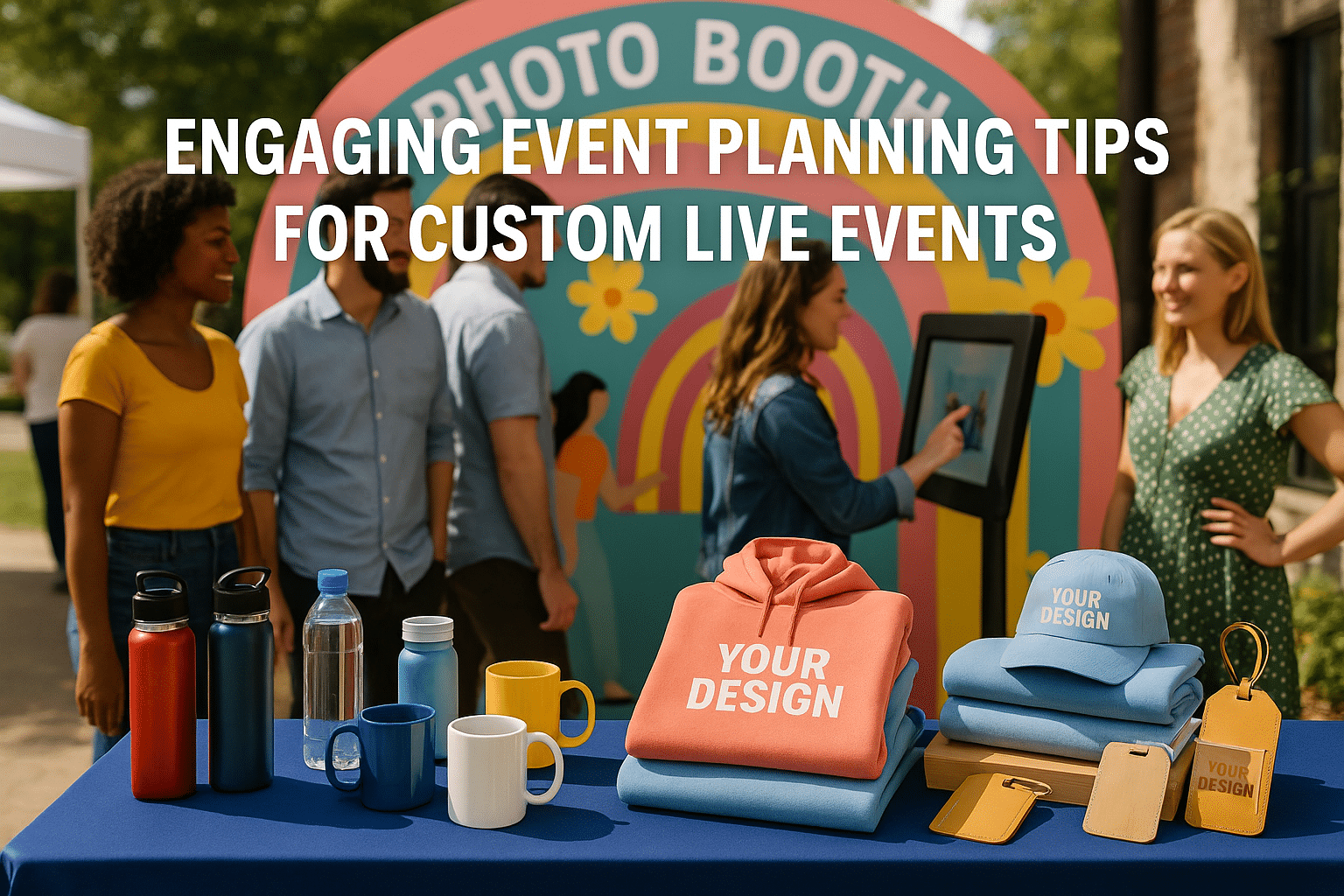
In the ever-evolving world of event planning, engaging experiences and innovative ideas are paramount. This article explores essential tips for organizing successful events, focusing on interactive trends, DIY inspirations, and branding strategies. With a spotlight on essential items like thermal bottles and photo booths, we aim to inspire and inform event planners of all types.
Understanding Modern Event Planning
In modern event planning, understanding the role of technology and interactive experiences is crucial for creating memorable gatherings. Gone are the days when attendees merely sat and listened; they crave engagement and interaction. To achieve this, it’s essential to explore and integrate the latest trends that can enhance participant involvement.
– **Experiential Marketing**: This approach is all about creating memorable experiences that resonate with attendees. Think immersive activities that not only engage the audience but also reflect the brand. Examples include hands-on workshops or live demonstrations where guests can directly interact with products.
– **Mobile Apps**: Event-specific mobile applications can enhance attendee experience by providing real-time updates, schedules, and networking opportunities. Custom features can include interactive maps, live polls, and Q&A sessions, fostering a sense of community among guests.
– **Social Media Integration**: Encourage guests to share their experiences on social media platforms. Create custom hashtags and offer incentives for sharing. This not only increases event visibility but also generates organic engagement from attendees who feel part of the experience.
When it comes to DIY decor and interactive elements, the possibilities are endless. Tailoring activities to fit your audience can significantly enhance participation.
– **Interactive Stations**: Set up booths where attendees can create their own merchandise, such as custom thermal bottles or personalized luggage tags. Allow guests to engage in crafting, which can also serve as memorable takeaways.
– **Photo Booths**: An essential interactive element in any event, photo booths serve to capture memories while encouraging social interaction. Whether you decide to hire photo booth services or buy a photo booth for future events, they add an exciting touch. Make sure to include props that align with the theme to elevate the fun.
– **Unique Swag**: Use items like sturdy mugs, cozy hoodies, and trendy caps as giveaways or prizes for participation in games and activities. These not only enhance guest experience but also serve as branding tools that attendees will carry long after the event.
– **Behind-the-Scenes Insights**: Share exclusive glimpses of the planning process on social media. Highlight the coordination and creative flow that goes into event preparation, making attendees feel connected to the event’s journey.
Incorporating interactive elements and DIY inspirations into your event not only enhances guest experience but also strengthens the emotional connection attendees have with your brand. By focusing on engagement through innovative technologies and thoughtful details, your events can stand out in an increasingly competitive landscape.
Interactive Trends and DIY Inspiration
In today’s event landscape, integrating interactive trends and DIY inspiration can significantly enhance your attendees’ overall experience. The key lies in creating unique moments that foster participation, making every guest feel like an integral part of the event. Here are several ways to achieve this:
– **Experiential Marketing**: Utilize innovative strategies that allow guests to engage more deeply with your brand. For example, create immersive spaces where attendees can interact with the product or service in a meaningful way.
– **Interactive Technology**: Leverage mobile apps to keep your audience informed and engaged. Consider integrating gamification elements that encourage participation, such as scavenger hunts or challenges that can be completed through the app.
– **Social Media Integration**: Encourage attendees to share their experiences on social media. Create event-specific hashtags and offer incentives for those who post about their time, which can help generate buzz and deepen engagement.
– **DIY Decor Ideas**: Personalizing the event space can be an exciting project for you and your team. Consider using items like custom thermal bottles or personalized luggage tags as centerpieces or gifting options, which can also serve as takeaways that promote brand recognition.
– **Photo Booth Features**: One of the most engaging interactive elements is a photo booth. It not only offers a fun activity for guests but also creates shareable moments. To encourage participation, consider different themes or props that align with your event’s branding. The keyword “photo booth” can draw attention in marketing materials as well. When planning, think about the factors influencing **photo booth cost** to ensure it fits within your budget.
– **Activity Stations**: Set up DIY stations where guests can create something memorable. This could range from designing their own mugs or caps to engraving luggage tags. Such hands-on activities not only enhance enjoyment but also provide a creative outlet that nurtures interactions among guests.
When planning your event, always find ways to elevate engagement through interactive trends and DIY inspirations. This approach not only makes your event more enjoyable but also reinforces your brand’s image through unforgettable experiences. Whether you choose to hire a photo booth or implement another interactive element, the goal remains the same: create lasting memories that attendees will associate with your brand long after the event ends.
Effective Marketing and Branding Strategies
Effective marketing is crucial to the success of any live event, impacting everything from attendee turnout to brand perception. To make the most of your event marketing strategy, consider leveraging social media, email campaigns, and influencer partnerships. Here are some techniques to elevate your event:
– **Utilize Social Media**: Create visually captivating posts that share teasers about your event. Platforms like Instagram and Facebook are ideal for generating buzz. Use event-specific hashtags and encourage attendees to share their own posts.
– **Email Marketing Campaigns**: Build an email list with potential attendees and send targeted invites. Craft compelling content with clear calls to action and include links to registration. Follow up with reminders as the event date approaches.
– **Influencer Partnerships**: Collaborate with local influencers who resonate with your target audience. They can promote your event to their followers, adding credibility and expanding your reach.
Branding is an essential aspect that shapes how your event is perceived. Create memorable visuals and slogans that encapsulate your event’s essence. This branding should extend across all marketing materials, from social media graphics to on-site signage.
– **Use Branded Merchandise**: Items like caps, mugs, and thermal bottles not only serve as great giveaways but also act as mobile advertisements. When attendees wear or use these items, they become ambassadors for your brand, enhancing visibility long after the event ends.
Now, let’s talk about one of the hottest interactive features in event planning: the photo booth. Integrating a photo booth can significantly enhance attendee engagement and provide a unique marketing touch.
– **Assessing Photo Booth Cost**: Prices can vary, influenced by factors such as type, duration, and added features. Research multiple vendors to find options that fit your budget, and ensure that the service aligns with your branding goals.
– **Benefits of Hiring a Photo Booth**: A photo booth can serve numerous purposes. It generates fun, encourages social sharing, and often includes customizable backgrounds that highlight your brand. After the event, you gain access to a trove of branded photos that attendees can share, broadening your event’s reach.
Incorporating a photo booth can amplify your marketing strategy while providing attendees with memorable experiences. By blending effective marketing techniques with engaging interactive elements, you create a compelling narrative for your event that resonates long after it concludes.
Behind the Scenes of Successful Events
Behind every successful event lies a complex web of behind-the-scenes preparations, logistical challenges, and the unforeseen situations that require quick, creative solutions. Understanding this process is vital for anyone venturing into event planning, especially in an era where interactive trends and unique experiences can set an event apart.
First and foremost, securing the right venue is crucial. This involves thorough research and coordination to ensure it meets the needs of the event—from size and layout to location and accessibility. Each venue has its unique policies and timelines, which must be considered. Planning timelines in advance allows for smoother execution, ensuring that all elements are synchronized.
• **Pre-event preparations**: Create a checklist that includes everything from seating arrangements to audio-visual needs. This will keep you organized and help avoid last-minute surprises.
• **Vendor coordination**: Establish strong relationships with all vendors, from catering and decoration to the technology team. Consistent communication can mitigate potential issues. For instance, if you’ve decided to hire a photo booth, ensure the vendor is briefed on your branding elements and timeline to maximize its impact.
In addition to logistical challenges, adaptability is key. On the day of the event, problems may arise—such as equipment malfunctions or unexpected weather changes. For example, consider a scenario where a sudden downpour threatens an outdoor event. A well-planned alternative solution, such as a pop-up tent or an indoor space, can save the day and maintain engagement levels.
• **Troubleshooting**: Have a Plan B for every aspect of the event. Create an on-site event management guide that outlines whom to contact for specific issues.
Success stories abound where meticulous planning paid off. Take, for instance, a well-known conference that was initially marred by a vendor pulling out last minute. The event planner quickly engaged local businesses to fill the gap, ultimately showcasing the region’s offerings and enhancing the event experience. Such adaptability can delight attendees and elevate brand perception.
• **Impact of thorough planning**: Research shows that events with detailed planning and flexibility tend to have higher attendee satisfaction rates.
Finally, don’t forget to celebrate the wins, no matter how small. After an event, gather feedback to understand what worked well and what could be improved for future projects. Each event provides invaluable lessons that prepare you for the next challenge in the ever-evolving world of event planning.
Conclusions
To wrap up, effective event planning hinges on creativity, strategic marketing, and the integration of interactive elements. By leveraging trends, DIY projects, and high-quality items, you can create unforgettable experiences. Embrace these insights to enhance your next event and leave a lasting impression on your audience.