
Essential Event Planning Tips and Trends for Your Next Gathering
Essential Event Planning Tips and Trends for Your Next Gathering
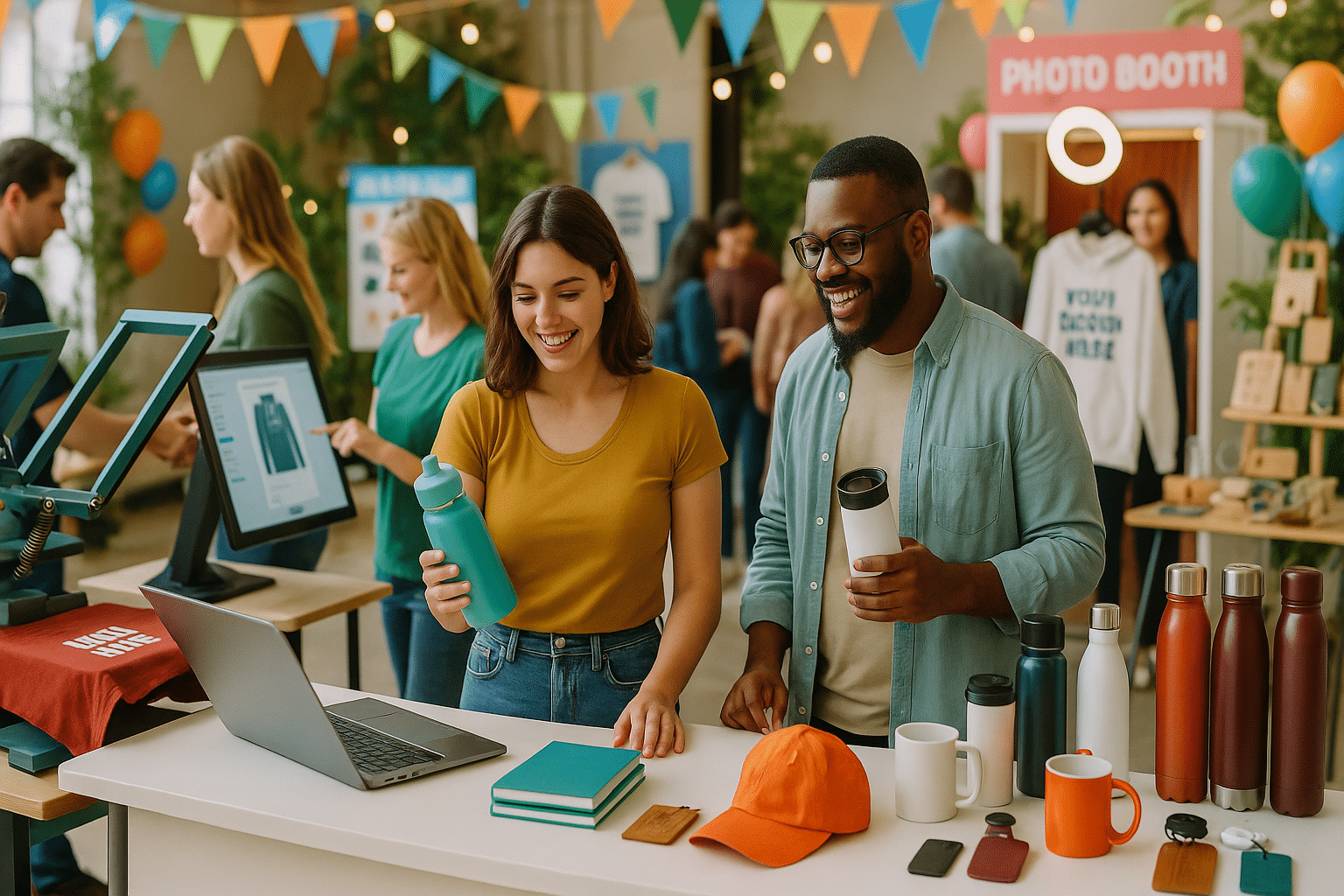
Planning an event requires creativity and careful execution. In this article, we will explore interactive trends, DIY inspirations, effective marketing strategies, and success stories that will help you create memorable gatherings. Whether it’s a wedding, corporate function, or community festival, these tips and insights will ensure your event stands out.
Interactive Trends in Event Planning
When it comes to elevating your events, embracing creativity through interactive elements can significantly enhance the experience for your attendees. Here are some valuable trends to consider that effectively incorporate engagement and participation:
- Photo Booths: Tailor your events with fun and customizable photo booth experiences. Not only do these booths provide a captivating way for guests to capture memories, but they also create opportunities for social sharing. When looking to increase interaction, hiring a photo booth can work wonders in attracting attention and creating a lively atmosphere.
- Digital Engagement Tools: Leverage event-specific apps or platforms where guests can interact with each other, answer polls, or share real-time feedback. This level of engagement makes individuals feel more connected, fostering a community-like atmosphere.
- Themed Activities: Integrate theme-based interactive activities, such as scavenger hunts or trivia contests that align with your event’s purpose. This encourages guest participation and makes the experience more memorable.
- Live Demonstrations: Host interactive workshops or live demonstrations where attendees can learn a new skill or participate in challenges. Engaging with the content actively can reinforce connections among attendees and create shared experiences.
- Wearable Tech: Introduce wristbands or other tech wearables that can track guest interactions and log activity, enriching the experience through gamification.
- Unique Giveaways: Select custom items like laser-engraved products or personalized water bottles as engaging giveaway options. Guests will appreciate the thoughtful touches, and it creates lasting memories tied to the event.
Interactivity encourages guests to immerse themselves fully in the experience, making your events not just gatherings but memorable, dynamic occasions filled with excitement. By incorporating these trends into your planning, you can leave your participants buzzing for weeks, sharing stories and memories long after the final moments of your event.
DIY Inspirations for Your Events
Embrace creativity with DIY elements that add a personal touch to your events. DIY inspirations not only engage guests but also make your event memorable, allowing attendees to take home a slice of the experience. Here are some ideas to elevate your gatherings:
- Custom Decorations: Use cardstock to create unique signage or banners. Think outside the box and incorporate personalized quotes or themes that resonate with your audience. DIY centerpieces crafted from recycled materials can also lend a sustainable touch.
- Personalized Favors: Consider items like laser-engraved luggage tags or thermal bottles as memorable giveaways. These personalized treasures not only serve as functional items but also act as keepsakes that remind guests of the event. You can customize them with names, dates, or meaningful messages to make your favors more special.
- Interactive Activity Stations: Set up DIY craft stations for guests to create their own souvenirs. Encourage guests to express their creativity through guided projects that relate to the theme of your event. Items like mugs, caps, and hoodies can be decorated with fabric markers or paint, allowing each attendee to leave with a unique item that carries their personal imprint.
- Photo Booth Backdrops: Design a vibrant and attractive backdrop for a photo booth. This not only encourages guests to take pictures but also adds to the event’s decor. Incorporate elements relevant to the event—such as logos or colors—to keep the branding cohesive.
- Themed Interactive Challenges: Engage guests by throwing in themed challenges based on the event’s purpose. For example, if it’s a corporate gathering, set up a brainstorming wall where attendees can jot down ideas or suggestions related to your business. This interactive approach encourages participation while garnering valuable insights.
These personal touches not only enhance the event experience but also provide your guests with something to cherish long after the day is over. By incorporating these DIY elements into your planning, you can create an engaging atmosphere that resonates and fosters connections, making for an unforgettable experience. Don’t forget to promote your creative endeavors on social media with eye-catching visuals to attract potential attendees, leveraging the interest generated around unique elements like a DIY photo booth.
Effective Marketing and Branding Strategies
Marketing your event effectively is as crucial as the planning itself. Consider these strategies:
- Social Media Promotion: Utilize platforms like Instagram and Facebook to generate buzz. Sharing sneak peeks of your setup, behind-the-scenes moments, and interactive content creates excitement. Create event-specific hashtags and encourage guests to share their experiences, creating organic promotion. Don’t underestimate the power of photo booths; showcasing fun photo booth moments can enhance engagement and visibility.
- Email Campaigns: Engage potential attendees with informative and visually appealing emails. Design templates that reflect your event’s branding, and include calls-to-action that lead to ticket purchases. Share interactive elements, like prompting recipients to ‘hire a photo booth’ for a discount if purchased through the campaign. Highlight unique features, such as custom thermal bottles or laser-engraved mugs, that can be offered as part of the registration process.
- Brand Partnerships: Collaborate with complementary brands to widen your promotional reach. Partnering with businesses that resonate with your target audience can add value. Consider cross-promotions where both entities can benefit from exposure. Showcasing items like hoodies, caps, or luggage tags from your partners can add unique touches to your event. Utilize strategies such as joint giveaways or creating exclusive content that features your custom items in engaging ways.
- Content Marketing: Write blog posts that provide tips and insights into event planning, spotlighting trends and DIY inspirations. Utilize strategic keywords like ‘photo booth cost’ and ‘buy a photo booth’ to attract relevant searches. Create intriguing titles and engaging content to draw in readers—titles like “Top 10 Photo Booth Ideas to Stun Your Guests” or “The Cost-Effective Guide to Hiring a Photo Booth for Your Next Event” can pique interest and improve your search rankings.
- Visual Branding: Ensure your visual elements are cohesive across all promotional materials. Use high-quality images of your custom products, like personalized mugs or cardstock decorations, to create a polished look. Ensure your online platforms reflect the vibe of your event to set the right expectations.
- Success Stories: Share testimonials and case studies from previous events to build credibility. Highlight the positive experiences of past attendees and emphasize interactive elements like photo booths that contributed to their enjoyment. Use these stories to demonstrate how every detail, from merchandise to photo opportunities, contributes to an unforgettable gathering.
Strong branding and marketing efforts can directly impact attendance and overall event success, so invest time in these areas wisely.
Behind-the-Scenes Insights
The success of an event often lies in the meticulous planning that happens behind the scenes. By paying careful attention to these critical aspects, you can ensure a seamless experience for your guests:
- Team Coordination: Ensure clear communication among team members to execute tasks smoothly. Regular check-ins and updates are essential for keeping everyone on the same page. Consider using project management tools for task assignments and deadline tracking.
- Venue Selection: Choose venues that align with your event’s theme and accessibility needs. A well-suited venue not only enhances the overall experience but also facilitates smooth logistics. Ensure that multiple spaces within the venue can be utilized for different activities, like breakout sessions or interactive elements.
- Rehearsals: Conduct thorough run-throughs to anticipate potential issues. This should include testing all equipment, coordinating with vendors, and ensuring that your team knows their roles. Pay special attention to interactive features such as a photo booth. Familiarize everyone with the operation, pricing options, and how to promote it effectively to guests.
- Enhancing Guest Experience: Implement interactive ideas that engage attendees. Consider DIY stations where guests can create personalized items, such as custom mugs or laser-engraved luggage tags. This approach not only enriches their experience but also generates memorable keepsakes that promote your event even after it concludes.
- Budget Management: Keeping a close eye on your budget ensures that you meet your goals without overspending. Research the cost of hiring a photo booth and compare it with purchasing one outright. Understanding the photo booth cost allows you to find the best fit for your financial plan while maximizing guest engagement.
- Feedback Mechanisms: Incorporate real-time feedback loops during the event. Set up a digital or physical suggestion box where guests can share their thoughts. This will not only help you address issues promptly but will also enhance their overall experience.
- Brand Visibility: Utilize branded merchandise, like thermal bottles and hoodies, to promote your brand during the event. Each item can serve as both a marketing tool and a memorable gift, reinforcing your brand’s presence long after the event.
Understanding and managing these behind-the-scenes aspects help create seamless guest experiences and successful events that your attendees will rave about for years to come.
Learning from Event Success Stories
Studying successful events can inspire and motivate your planning process. Here are key takeaways:
- Adaptability: Successful events often pivot based on real-time feedback. Flexibility allows for on-the-spot adjustments that can enhance guest experiences. If you notice attendees gravitating toward a particular area or activity, consider extending that aspect or encouraging more interaction.
- Guest Engagement: Focus on creating memorable interactions for attendees. Utilize elements like photo booths to enhance engagement. Guests love snapping pictures with friends, and offering fun props can elevate their experience. Aim for interactive activities that require participation, whether they’re games or workshops. A simple but effective way to elevate your gathering is by providing customized items such as thermal bottles or caps that attendees can take home, ensuring lasting memories associated with your brand.
- Feedback Loops: Collect post-event feedback to understand what worked well and what can improve. Use surveys and direct communication to gauge attendee satisfaction. Look for patterns in their responses that can inform future events. Not only will this help fine-tune your planning, but it also shows guests that you value their opinions.
- Showcasing Success Stories: Highlight case studies of successful events in your marketing materials. Share stories about how certain interactive trends or DIY inspirations made those events a hit. Did a “hire photo booth” strategy lead to a spike in social media engagement? Make sure to include these insights in your promotional content and blogs, as potential clients seek proven strategies when deciding on an event planner.
- Understanding Costs: When discussing elements such as a photo booth, educate your audience on the different costs associated—like the “photo booth cost” depending on features and duration. Offering insights into where to “buy a photo booth” can also provide valuable information. By addressing price range and options, clients will appreciate having a realistic understanding of what to expect, enabling better budget planning.
Implementing lessons from real-life events can significantly enhance your planning strategy and ensure that your next gathering is a hit.
Conclusions
In summary, successful event planning hinges on innovation, effective marketing, and engaging experiences. By incorporating interactive trends, fostering DIY creativity, and learning from success stories, you can elevate your events to new heights. Embrace these strategies to create meaningful gatherings that leave a lasting impact.