

Event Planning Mastery: Tips and Trends for Success
Event Planning Mastery: Tips and Trends for Success
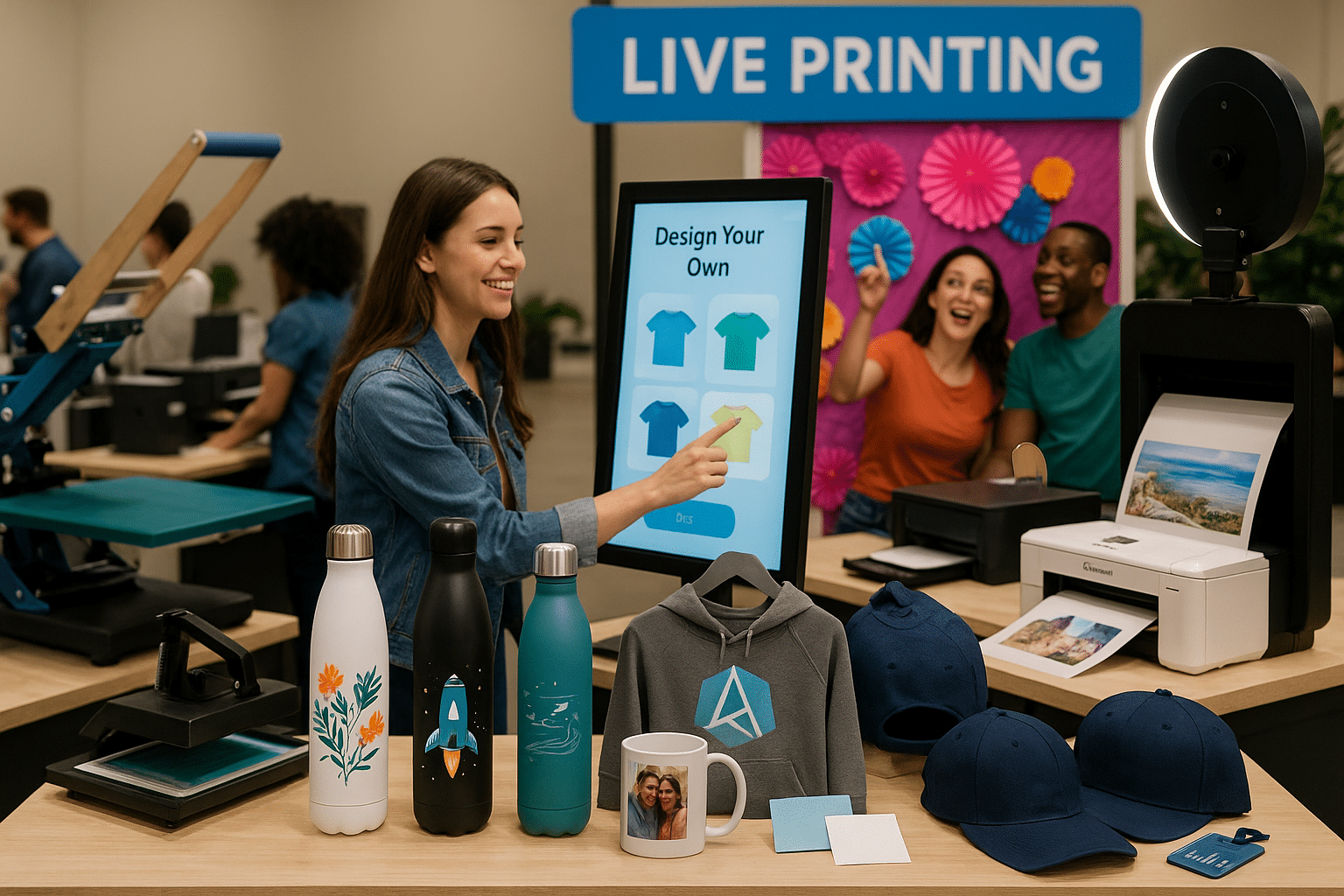
Planning a successful event involves understanding the latest interactive trends, creative DIY ideas, and effective marketing strategies. This article will explore essential tips for event planning, focusing on maximizing engagement and ensuring brand success while showcasing diverse products like thermal bottles, hoodies, and more.
Essential Tips for Effective Event Planning
Incorporating interactive features into your event can create unforgettable experiences for attendees and elevate your event’s visibility. Here are some trendy options to consider:
- Photo Booth Experiences: Interactive photo booths are a must-have at any event. They allow guests to capture and share their moments effortlessly. Not only do they engage attendees, but they also promote your brand across social media platforms when guests share their photos. Consider splurging on a high-quality booth or even exploring options to hire a photo booth for your next event. Depending on your requirements, the photo booth cost can vary, so research different suppliers for the best fit.
- DIY Workshops: Hosting DIY workshops is a fantastic way to create memorable interactions and engage attendees. Consider allowing participants to create custom items, such as thermal bottles, mugs, or luggage tags. Providing these hands-on experiences not only enhances creativity but also leaves attendees with personalized takeaways that resonate with them long after the event.
- Live Polling and Q&A Sessions: Integrating live polling tools can facilitate real-time feedback during your event. Utilize platforms that allow attendees to vote on topics or ask questions. This not only garners engagement but also gives you invaluable insights into audience preferences and interests. Conducting interactive Q&A sessions can further deepen the connection with your guests, encouraging dialogue and participation.
- Augmented Reality Elements: AR technology is transforming event interactivity. By incorporating augmented reality experiences, you can offer attendees a unique and immersive way to engage with your event’s theme. For example, using AR apps, guests could explore product features in new dimensions or compete in interactive games that align with your branding goals.
- Branded Merchandise: Don’t underestimate the power of branded items such as hoodies, caps, or even laser-engraved products as part of your interactive elements. These items serve as both promotional materials and functional gifts. Guests will appreciate the useful takeaways much more when attached to an engaging interaction.
Trending Interactive Features for Successful Events
As events evolve, the demand for interactivity has grown significantly, allowing hosts to create memorable experiences. Implementing trending interactive features can greatly enhance attendee participation and satisfaction. Here are several effective strategies:
- Photo Booth Experiences: Photo booths have become a staple in event planning. They provide a fun and engaging way for guests to capture and share moments, ultimately promoting your brand on social media. Consider offering customized backdrops and props that reflect your brand identity. By incorporating options to hire a photo booth, you can easily enhance your event without breaking the bank.
- DIY Workshops: Every attendee loves a hands-on experience. Organizing DIY workshops allows participants to engage directly with the creative process. From customizing hoodies or creating personalized mugs to crafting unique luggage tags, these activities not only entertain but also provide guests with meaningful souvenirs to take home.
- Live Polling and Q&A Sessions: Enhance interaction through live polls and Q&A segments. This approach helps in capturing immediate feedback from attendees while allowing them to voice their thoughts, making them feel valued. This two-way communication encourages participation and keeps the momentum going throughout the event.
- Augmented Reality Elements: Leverage new technologies like Augmented Reality (AR) to create unique experiences. AR can be applied in various ways, such as showcasing interactive displays or providing virtual information about products. This captivates your audience, making the event more engaging and memorable.
- Unique Giveaways: Consider giving away promotional items like thermal bottles or caps that attendees can use post-event. These items keep your brand front of mind long after the event has ended. Personalizing these products enhances the value they provide, making attendees more likely to remember your brand positively.
- Interactive Stations: Set up different stations that allow guests to explore various aspects of your brand. For example, a laser-engraving station can let guests create customized items on the spot, thereby fostering a deeper connection with your brand.
By integrating these interactive features into your events, you can create a dynamic atmosphere that enhances attendee engagement, generates buzz, and contributes to your event’s success. At its core, an interactive approach does not only provide fun but also serves as a powerful marketing tool that resonates with participants long after they’ve left the venue. Remember, each interactive detail you incorporate not only entertains but also transforms attendees into advocates for your brand.
Marketing and Branding Strategies for Events
Effective marketing and branding are the cornerstones of a successful event. To draw in your target audience and ensure maximum engagement, consider a multi-faceted approach. Below are essential strategies for marketing your event while showcasing branded merchandise and enhancing interactive elements:
- Promotional Campaigns: Leverage social media platforms and email marketing to build excitement before the event. Share countdowns, sneak peeks, and exclusive content that stirs interest. Incorporate engaging visuals featuring your branded items such as thermal bottles, water bottles, and hoodies to capture attention.
- Influencer Partnerships: Build credibility by collaborating with influencers to promote your event. This extends your reach and can enhance brand awareness. Effective promotional content can include posts showcasing branded mugs, caps, or unique items like luggage tags that add a personal touch for your audience.
- Branding Consistency: Ensure that all marketing materials, from digital assets to printed invitations, maintain a consistent brand identity. This includes using your logo, brand colors, and messaging across all platforms. Creating visually cohesive presentations reinforces your brand and makes it more recognizable during the event.
- Post-Event Follow-Up: Extend your engagement beyond the event. Send out thank-you notes to attendees, along with a feedback survey to gain insights for future events. Consider including digital discounts for your merchandise, encouraging visitors to buy a photo booth or other branded items they might have seen live, adding lasting value to full-circle interactions.
- Highlight Interactive Features: When creating promotions, spotlight interactive elements such as a photo booth experience, emphasizing how it enhances guest enjoyment and brand visibility. Posts inviting guests to “hire a photo booth” or “explore photo booth costs” can capture interest and direct traffic to your website.
- Diverse Merchandise Promotion: Utilize your branded items in marketing campaigns. Showcasing products like laser-engraved products as giveaways during the event can attract attendees. This not only enhances the experience but also encourages visitors to think of your brand long after the event ends.
In summary, incorporating these marketing and branding strategies while highlighting diverse merchandise helps to create an engaging environment that draws attendees in and ultimately contributes to the event’s success.
Behind-the-Scenes: What Makes Events Successful
The backbone of every successful event often resides in the behind-the-scenes preparations. Understanding the intricacies involved can significantly elevate the overall experience for attendees. Here are key focuses for achieving excellence in execution:
- Collaboration: Establish solid communication channels among your planning team. Collaborate closely to ensure roles and responsibilities are clearly defined, covering every detail, from setup to breakdown. Use tools like project management software to streamline conversation and task assignments.
- Backup Plans: Prepare for the unexpected by devising robust contingency plans. Whether it’s inclement weather for an outdoor event or vendor cancellations, having alternatives in place ensures smooth execution. For instance, know your secondary venue options, or have a different catering service on standby.
- Rehearsals: Conduct detailed rehearsals a few days before the event. This not only familiarizes your team with their designated tasks but also allows time to address any potential problems. Run through each segment of the event, especially critical ones like speeches and presentations, ensuring everyone is well-prepared and confident.
- Feedback Reception: Once the event wraps up, gather thoughts from team members on what went well and what could use improvement. This debriefing can be invaluable for future events. Encourage open and honest conversations, and document responses for reference.
- Interactive Features: Integrate engaging elements, like a photo booth, which can greatly enhance attendee interaction. This not only creates memorable experiences but also generates social media content, especially when inviting guests to share their photos online. Consider the *photo booth cost* when budgeting, as it can vary based on features and rental durations.
- DIY Inspiration: Don’t hesitate to use DIY elements in your preparations. Custom projects, such as crafting unique luggage tags or creating personalized mugs for attendees, offer a personal touch that reflects your brand’s identity and engages guests on another level.
- Showcasing Diverse Items: Think creatively about the branded items you distribute. Thermal bottles, caps, and hoodies can all serve as excellent giveaways or prizes that resonate with your audience, reinforcing brand loyalty long after the event is over.
Event Success Stories that Inspire
Learning from successful events can provide great insight. Consider these inspiring success stories:
- Case Study 1: An outdoor festival that incorporated community elements, achieving engagement and love from locals. This event featured local artists and vendors, creating a vibrant marketplace atmosphere. Attendees were encouraged to share their experiences on social media, showcasing the unique offerings through creative hashtags. The event organizers included customized items like thermal bottles and hoodies to promote local pride, which attendees could purchase to support the community. As a result, the event not only thrived in terms of attendance but fostered a deep sense of belonging among locals.
- Case Study 2: A corporate event that utilized a photo booth, generating social media buzz and increasing brand visibility. This innovative approach increased attendee interaction, allowing guests to create fun memories with props while seamlessly sharing them online. The strategic placement of the photo booth encouraged networking and fostered a relaxed atmosphere. By branding their photo booth with their logo and hashtags, the company effectively enhanced its reach and engagement on various platforms. The cost to hire a photo booth was justified by the tremendous boost in post-event engagement and visibility.
- Case Study 3: A charity event that leveraged DIY projects to engage volunteers and attendees alike, surpassing its fundraising goals. Organizers invited participants to contribute by creating items such as personalized luggage tags and laser-engraved keepsakes, which were sold during the event. This hands-on involvement not only made attendees feel valued but also created a unique shopping experience. The history behind each crafted item added sentimental value, encouraging purchases. The event saw greater engagement and community support, proving that giving attendees a chance to be involved through DIY initiatives fosters loyalty and financial success.
Conclusions
In conclusion, mastering event planning requires a blend of innovative ideas, strategic marketing, and practical execution. By leveraging current trends and diverse products, you can create memorable experiences that not only captivate your audience but also enhance your brand identity. Start planning your next successful event today!