

Event Planning Tips for Successful Experiences
Event Planning Tips for Successful Experiences
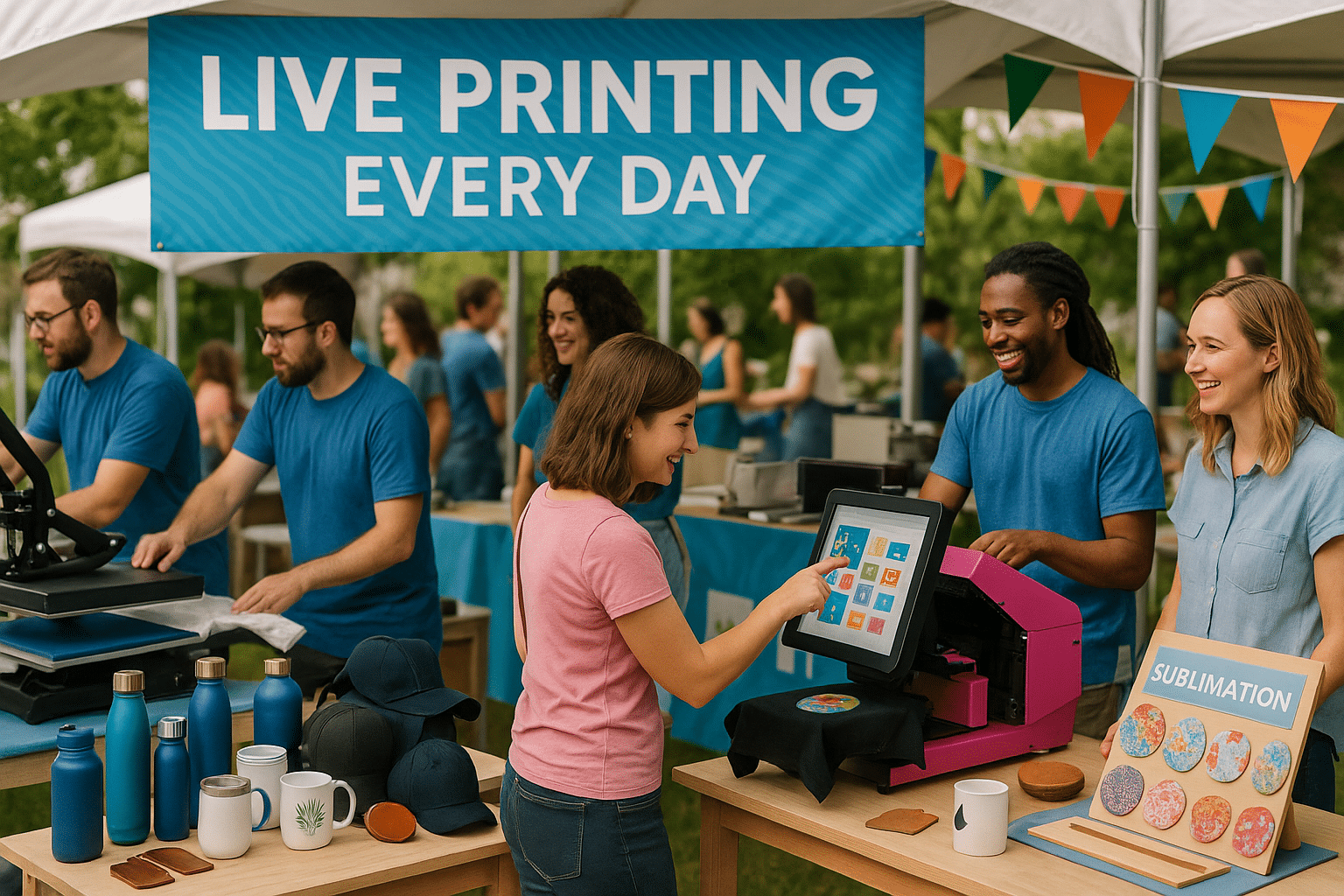
Event planning is an art that combines creativity, strategy, and logistics. In this article, we share essential tips and trends to enhance your event planning, from interactive experiences and DIY ideas to effective marketing and branding strategies. Whether you’re organizing a corporate gathering or a personal celebration, our insights will help you create memorable moments.
Embracing Interactive Trends
Engaging guests through interactive trends is not only innovative but essential in today’s event landscape. One powerful way to amplify attendee involvement is by incorporating a **photo booth** into your event. This engaging element transforms a simple gathering into a memorable experience. Here are some key strategies to leverage the excitement of photo booths, along with other interactive technologies to keep guests smiling and engaged.
– **Hire a Photo Booth:** The investment is often well worth it. Engaging a professional service ensures a high-quality setup with fun props and backdrops that resonate with your event’s theme.
– **Interactive Spaces:** Pair the photo booth with unique interactive displays. For example, consider integrating augmented reality experiences where guests can interact with visuals while taking photos, creating a fantastical layer to your booth.
– **Live Polling:** Use platforms that allow attendees to vote on various aspects of the event live, showcasing results in real time. The energy of collective participation can lead to a surge in excitement.
– **Personalization Options:** Allow guests to customize their prints from the photo booth. Choices could range from various layouts to different backgrounds, or even adding their branding or event-themed graphics.
– **Segmented Experiences:** Create opportunities for guests to engage with multiple interactive components. For instance, set up a thermal bottle station that allows guests to personalize their bottles alongside the photo booth, combining functional memorabilia with fun.
– **Success Stories:** Highlighting events that successfully implemented interactive elements can serve as powerful inspiration. For instance, a recent corporate retreat saw overwhelming positive feedback after incorporating a photo booth that featured instant social media sharing, allowing attendees to post their unique photos live during the event.
– **Cost Considerations:** Understanding the **photo booth cost** and budget allocation is crucial. It’s advisable to research various vendors and find those that offer tailored packages suited to your specific needs without compromising on quality.
– **DIY Interactive Elements:** If you’re considering a more personalized approach, you can **buy a photo booth kit**. These kits can be great for DIY events where you wish to add a homey touch while still engaging the audience interactively.
When well-executed, interactive elements such as photo booths foster not only memories but also relationships, building a sense of community among attendees. Utilize these ideas to create an engaging atmosphere and ensure your next event is not just attended but thoroughly enjoyed.
DIY Inspirations for Unique Touches
Adding a DIY element to your events provides a unique, personal touch that can elevate the overall experience for guests. Here are some engaging tips for creating memorable event elements through DIY projects that ensure guests leave with a lasting impression:
- Custom Signage: Create eye-catching signs using cardstock, which can guide guests or simply convey messages. Use bright colors and playful fonts to make the signage inviting. Consider incorporating light-up boards for evening events or chalkboard styles for rustic themes.
- Handmade Centerpieces: Craft centerpieces tailored to your event’s theme. For example, use thermal bottles as vases for fresh flowers or greenery, which guests can take home as favors. This not only adds beauty to tables but also serves as a practical souvenir.
- Interactive Craft Stations: Set up tables where guests can unleash their creativity. Offer supplies for making luggage tags or personalized mugs. This allows for engagement and interaction, turning your event into a shared experience that guests will remember fondly.
- Photo Booth Props: Enhance your event’s atmosphere with a DIY photo booth. Include fun props like oversized glasses, hats, and signs. This encourages guests to take photos that they can immediately print and take home, giving them a tangible memory of the day.
- Storytelling Through Decor: Use photographs or memorabilia to tell a story about the event’s host or the occasion itself. Create a wall display that highlights significant moments, encouraging guests to engage and share their own anecdotes related to the theme.
- Upcycled Crafts: Encourage sustainability by utilizing recycled materials for decorations. For instance, old caps can be transformed into unique table covers or used creatively throughout the decor, showing guests that you value both creativity and the environment.
- Successful DIY Examples: Look to successful events for inspiration. For example, a wedding that incorporated handmade centerpieces using vintage items resonates with guests and provides a personal touch. A corporate event with interactive craft stations for employees yielded high engagement and allowed for team bonding.
As you plan your event, remember that DIY elements not only enhance the experience but also provide an opportunity for creativity and collaboration among guests. People appreciate personal touches, and incorporating these ideas can set your event apart, making it truly memorable.
Effective Event Marketing and Branding
Marketing your event effectively is key to ensuring higher turnout and enhanced guest engagement. To build a strong presence and attract your target audience, consider these strategies:
– **Leverage Social Media**: Utilize platforms like Instagram, Facebook, and TikTok to create buzz around your event. Share visually appealing content, including teasers of the venue and sneak peeks of what to expect. Create event-specific hashtags to encourage audience participation and make it easier to track discussions around your event.
– **Create Engaging Content**: Develop a content calendar leading up to the event. This includes blog posts, videos, and graphics that provide value to your audience. Share tips for attending the event, highlight featured speakers or entertainers, and offer sneak peeks of interactive elements, such as photo booths. Engaging content can include behind-the-scenes preparation, DIY decoration inspirations, or interviews with key participants.
– **Utilize Influencer Partnerships**: Collaborate with influencers that align with your event’s theme or target demographic. They can help amplify your reach and create authentic conversations about your event. Choose influencers who have proven engagement rates, as their followers are more likely to engage with their content.
– **Consistent Branding and Messaging**: Ensure that your promotional materials—be it digital flyers, social media banners, or physical signage—reflect a cohesive brand image. Consistent use of colors, logos, and fonts strengthens recognition and fosters trust with potential attendees. Items like custom thermal bottles, mugs, and hoodies featuring your event logo can serve as effective promotional tools both before and during the event.
– **Showcase Successful Campaigns**: Analyze previous successful events to understand the strategies that resonated with attendees. Share case studies that demonstrate how strong marketing led to substantial attendance, such as those that included unique offerings like a photo booth that encourages guests to capture their memories creatively. Discuss how integrating trendy items like luggage tags and laser-engraved products can elevate event experiences and drive engagement.
– **Call-to-Actions and Incentives**: Encourage quick responses from potential attendees by incorporating strong CTAs in your marketing materials. Offer early bird pricing or exclusive merchandise like custom caps for those who register early. This not only boosts initial ticket sales but also allows you to create a sense of urgency.
By implementing these strategies, your event marketing efforts can significantly enhance interest and attendance, making a lasting impact on your audience while ensuring a memorable experience that aligns with the previous and following themes of DIY inspiration and behind-the-scenes coordination.
Behind-the-Scenes Coordination for Success
Behind-the-scenes coordination is pivotal for any event’s success, as it lays the groundwork for a seamless experience for both organizers and attendees. Key logistical elements are fundamental to ensure that everything runs smoothly. Here are essential aspects to consider:
- Vendor Coordination: Establishing and nurturing strong relationships with vendors is crucial. From catering to audiovisual services, clear communication about expectations, deadlines, and deliverables can prevent potential miscommunications. Confirming contracts ahead of time and holding regular meetings leading up to the event can ensure alignment.
- Timeline Management: Developing a comprehensive timeline is vital. This should include deadlines for vendor bookings, setup times, and event start and end times. Utilize project management tools to share this timeline with your team, keeping everyone on the same page and accountable. Regularly revisit and update the timeline as needed to adapt to any changes.
- Contingency Planning: No event is without its surprises; thus, being prepared for the unexpected is essential. Create backup plans for critical elements such as venues, equipment, and key personnel. For example, if you plan to hire a photo booth, consider alternatives in case of a last-minute equipment failure or vendor cancellation. Having a designated point person for unforeseen challenges can make a tremendous difference in maintaining a calm atmosphere.
- Effective Communication: Promoting open channels of communication among team members can significantly reduce the chances of mishaps. Regular briefings leading up to the event can keep everyone informed of changes, ensuring that all team members are prepared. Establishing a centralized communication platform can also streamline updates and requests.
- Case Studies of Success: Examine past events that exemplify effective behind-the-scenes coordination. For instance, an event with excellent vendor management and timeline adherence not only met its goals but exceeded them in attendee satisfaction. Feedback from event patrons noted how smoothly transitions occurred, making the experience enjoyable and memorable.
- Utilizing Tech Tools: Leveraging technology can facilitate efficient management. Consider tools for ticketing, app engagement for guests, and even social media for real-time updates. Tools enable you to streamline operations and track progress on various tasks, ultimately elevating the event’s execution.
- Documenting Progress: Keeping notes and documenting every step can serve valuable insights for future events. Whether it’s evaluating photographer interactions at a photo booth or monitoring hospitality services, detailed notes can improve the planning process for subsequent gatherings.
With meticulous planning and a focus on communication and coordination, the drive towards creating unforgettable experiences for event-goers is well within reach. By implementing these strategies, planners can ensure that no detail is overlooked, contributing significantly to event success.
Showcasing Event Success Stories
Success stories from past events can serve as a wellspring of inspiration for future event planners. These anecdotes encapsulate not only the triumphs but also the challenges that shaped the journey. Here are some remarkable success stories that deliver valuable insights into effective event planning.
One memorable corporate conference held in New York City faced an unexpected challenge—adverse weather conditions that impacted venue accessibility. The organizing team quickly adapted by enhancing virtual attendance options. They incorporated live streaming technology and ensured that all interactive components, such as Q&A sessions and networking lounges, were accessible online. Feedback illustrated that many attendees appreciated the flexibility, which paved the way for hybrid events in the company’s future agendas.
Another inspiring story comes from a community festival that aimed to promote local artisans and businesses. The organizers prioritized attendee engagement by incorporating interactive elements such as DIY workshops and a popular photo booth designed with vibrant backdrops. With the keyword ‘hire photo booth’ gaining traction in their promotional material, they attracted significant foot traffic. The hands-on sessions allowed attendees to not only participate but also share their experiences online, using hashtags unique to the event, which propelled their visibility on social media.
During a fundraising gala, organizers faced initial skepticism regarding ticket sales. They creatively turned this challenge into an opportunity by leveraging influencer partnerships. By collaborating with local personalities who resonated with their cause, they managed to amplify their marketing efforts. Attendee feedback highlighted how impactful it was to see their favorite local celebrities advocating for the cause, leading to sold-out tickets and increased donations.
One memorable takeaway from these events is the importance of gathering feedback. After each event, organizers conducted surveys to understand attendee experiences and gather insights on what moments truly resonated. Attendees voiced their appreciation for the quality of materials provided, such as thermal bottles and laser-engraved keepsakes, which served as lasting reminders of their participation. This feedback informed the planning strategies for future events and enhanced overall attendee satisfaction.
These diverse success stories underline the significance of adaptability, engagement, and reflective learning within the realm of event planning. By showcasing these experiences, future planners can draw motivation and actionable strategies from the achievements and challenges faced, ensuring their events leave a mark as memorable experiences for all involved.
Conclusions
In conclusion, successful event planning requires a seamless blend of creativity, organization, and marketing strategies. By embracing interactive trends and DIY inspirations, and understanding the importance of behind-the-scenes coordination, you can elevate your events. Consider diverse promotional products like thermal bottles and photo booths to enhance guest experiences and foster lasting memories.