
Innovative Event Planning: Tips and Trends to Ensure Your Success
Innovative Event Planning: Tips and Trends to Ensure Your Success
Planning a successful event requires a blend of creative ideas and strategic execution. From understanding interactive trends and DIY inspiration to mastering marketing tactics, this article covers essential tips for an unforgettable event experience. We will also explore the significance of unique items like thermal bottles and hoodies in enhancing your event’s branding and guest experience.
Understanding the Fundamentals of Event Planning
In today’s digital age, events are no longer just about the logistical aspects; they are also about creating immersive experiences. Embracing interactive trends not only enhances attendee involvement but also ensures your event stands out in a saturated market. Here are some key interactive trends to incorporate into your event planning:
– **Live Polls and Q&A Sessions**: Engage your audience by allowing them to participate in live polls. This can be done through apps or text messaging, giving attendees the opportunity to voice their opinions. Real-time questions can also foster a dynamic discussion environment, enhancing the overall experience.
– **Audience Engagement Platforms**: Implement platforms that allow for interaction through games or challenges. Participants can win prizes through friendly competitions, which can be an excellent way to promote networking among attendees.
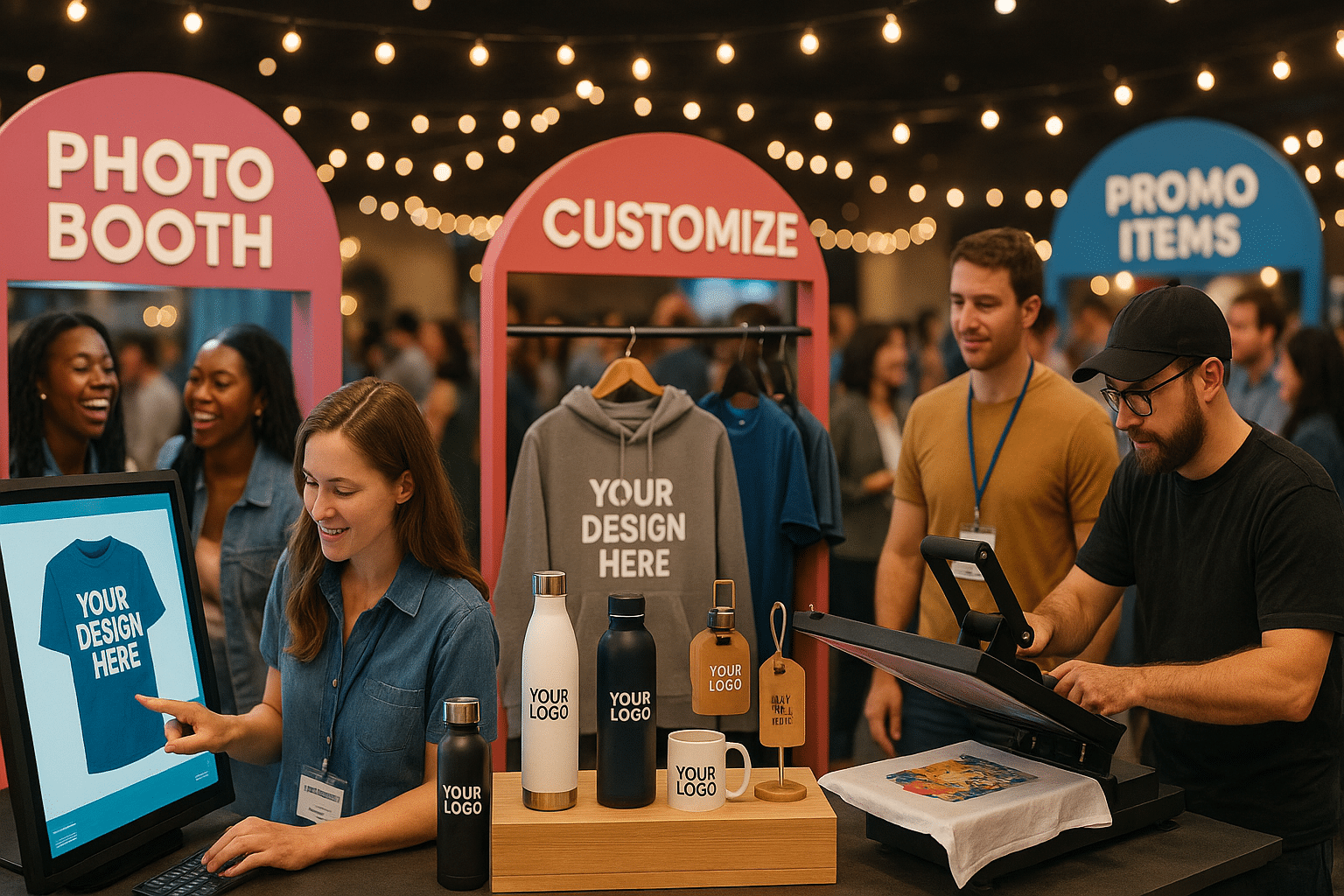
– **Photo Booths**: Consider hiring a photo booth to capture memories. Modern photo booths offer a unique twist, allowing guests to customize their photos or even share them directly on social media. By including options like filters or GIFs, you can amplify the fun and encourage sharing, which in turn generates buzz for your event. The cost of photo booths can vary, but investing in one often pays off through enhanced attendee satisfaction.
– **DIY Stations**: Incorporating DIY inspiration can turn mundane activities into memorable moments. Set up areas where guests can create custom items, such as thermal bottles or luggage tags. These not only serve as engaging activities but also provide guests with personalized memorabilia to take home.
– **Branding Opportunities**: Utilize branded items like mugs, hoodies, and caps as part of interactive experiences. Having attendees create their own branded merchandise can foster a sense of belonging and connection to the event.
– **Behind-the-Scenes Insights**: Share exclusive behind-the-scenes content with your attendees to provide an insider’s view of the event planning process. This transparency can enhance community engagement, making attendees feel more invested in the event.
– **Event Success Stories**: Highlight past events that successfully integrated interactive elements. Share insights on what worked and how it positively impacted attendance and engagement. Real-world examples provide credibility and encourage potential clients to adopt similar practices.
By integrating these interactive trends, you can create a captivating atmosphere that encourages participation and builds community. Not only do these elements elevate the overall experience, but they also leave lasting impressions that attendees will talk about for years to come.
Embracing Interactive Trends in Events
Interactive trends are becoming essential in the realm of event planning, enhancing engagement and creating unforgettable experiences. By embracing technologies that promote interaction, event planners can foster a vibrant atmosphere that encourages participation among attendees. Here are several innovative ways to incorporate these trends:
– **Live Polls and Q&A Sessions**: Integrating live polls during presentations or discussions allows attendees to voice their opinions in real-time. This not only engages the audience but also provides valuable feedback to speakers and organizers. Platforms like Slido or Poll Everywhere make it easy to set this up and include results in presentations.
– **Audience Engagement Platforms**: Utilizing apps designed for attendee interaction can enhance events significantly. These platforms can facilitate networking, gamification, and sharing multimedia content. Encouraging attendees to upload photos or video clips fosters a sense of community and creates a shared event experience.
– **Photo Booths for Memorable Interactions**: The inclusion of a photo booth at events is a fantastic way to boost interaction. They serve not only as fun attractions but also as tools for branding and social media engagement. Here’s how to maximize the use of photo booths:
– **Hire Photo Booth**: Consider hiring a photo booth service that offers a variety of backdrops and props tailored to your event theme. This can lead to many memorable moments that attendees will cherish long after the event.
– **Photo Booth Cost**: Depending on the features you wish to include, such as instant prints or digital sharing options, photo booth costs can vary. Budgeting for this can pay off significantly in attendee satisfaction and social media buzz.
– **Buy a Photo Booth**: For recurring events, investing in a photo booth can be a wise decision. Owning a booth allows for customization and consistency in branding, ensuring that each event reflects your company’s image.
– **Engagement Through Customized Merchandise**: Offering interactive giveaways such as thermal bottles, hoodies, or laser-engraved mugs can serve dual purposes: they create excitement among attendees and act as promotional items long after the event concludes. By aligning these products with the event theme, organizers can enhance brand visibility.
– **Behind-the-Scenes Insights**: Sharing behind-the-scenes content on social media not only builds anticipation before the event but also maintains engagement during and after. Live streams or stories featuring event setup, interviews with speakers, and guest testimonials can elevate the entire experience.
By embracing these interactive trends, event planners not only make their gatherings more enjoyable but also deepen connections among participants, amplifying the overall impact of the event. This innovative approach ensures that events are not just attended but are experienced—leading to lasting memories and enhanced community bonds.
DIY Inspiration for Unique Event Experiences
DIY elements provide a personalized touch to events and can make them truly unique. By incorporating creatively crafted items and experiences into your event, you can leave a lasting impression on attendees while ensuring they feel connected to the atmosphere. Here are some engaging DIY ideas that can enhance your events while not compromising on quality.
– **Custom Decor**: Utilize simple materials to create attention-grabbing centerpieces. Consider using natural elements alongside laser-engraved wood or acrylic pieces that can reflect the theme of your event.
– **Interactive Stations**: Set up DIY stations where guests can create their own unique items. For example, a personalized mug painting station or a customized luggage tag creation table can provide fun experiences while serving as memorable keepsakes.
– **Photo Booths**: With attendees wanting to capture moments, setting up a DIY photo booth can be both engaging and entertaining. Provide various props and backdrops that correlate with your event theme. Encourage guests to use a creative hashtag for easy sharing on social media. Don’t forget to mention terms like ‘hire photo booth’ or ‘buy a photo booth,’ as they are essential for improving online visibility.
– **Handmade Gifts**: Attendees often appreciate personal touches. Consider giving small customized gifts such as thermal bottles with individual names or smartly designed caps. These gifts not only serve as functional items but also act as reminders of their experience.
– **Storyshare Elements**: Guide designers or event organizers to share anecdotes regarding the creation of their DIY items with attendees. This storytelling aspect connects people and potentially inspires them to engage with your brand on a deeper level.
– **Unique Details**: Small, intricate details can significantly enhance the DIY experience. Think about incorporating cardstock with hand-written notes or hand-drawn illustrations that capture the essence of the event.
DIY inspiration is about ensuring that every element reflects the creativity and thoughtfulness behind the brand. When you allow your guests to connect with the handmade touch, they feel valued. Plus, these moments lead to more organic social media sharing, further promoting your event. Pairing DIY inspiration with interactive trends creates an unforgettable atmosphere where attendees feel like active participants, making your event stand out in a crowded market.
Strategic Marketing and Branding for Events
Effective marketing and branding are crucial for the success of any event. Establishing a strong brand identity is the first step; it creates recognition and trust among attendees. Consider these essential components:
– **Unique Branding**: Develop a memorable logo, color palette, and messaging that captures the essence of your event. This branding should extend to all promotional materials and merchandise, including items like thermal bottles, mugs, and hoodies.
– **Social Media Exposure**: Utilize platforms like Instagram, Facebook, and Twitter to engage potential attendees. Share captivating images of previous events, including features like a photo booth. Use hashtags relevant to your event and industry to gain visibility.
– **Email Campaigns**: Create tailored email marketing strategies to connect with your audience. Segment lists based on interests and send out personalized invitations. Be sure to include powerful calls to action, like “hire a photo booth” for an engaging experience at the event.
– **Collaborative Marketing**: Partner with local businesses or influencers to expand your reach. Their established audience can introduce your event to new potential attendees. Consider mutual giveaways with promotional items like caps or luggage tags to incentivize participation.
In terms of digital marketing strategies, keyword optimization is key. Use targeted phrases like “buy a photo booth” or “photo booth cost” in your website content and blogs. This will enhance your SEO and help you to attract relevant searches. For example, an engaging blog titled “Top 5 Reasons to Hire a Photo Booth for Your Next Event” can create organic traffic while drawing attention to your offerings.
Case studies highlight the efficacy of these strategies. Consider the company Gone Wild Events, which successfully raised attendance by 40% by collaborating with influencers and launching a targeted social media campaign. They featured a custom laser-engraved product giveaway that resonated well with their audience, building excitement and engagement.
The importance of behind-the-scenes coordination cannot be overstated, but marketing’s role in crafting a successful event should never be overlooked. Utilize real-time feedback from attendees to continually adapt your strategies. By prioritizing strategic marketing and branding, not only can you enhance the event experience, but you can also build lasting connections that ensure future successes.
Behind-the-Scenes Insights: Learning from Event Success Stories
Behind every successful event lies meticulous planning and a dedicated team, working seamlessly to bring a vision to life. Event success stories often highlight the invisible threads of coordination that weave together various aspects of the event, showcasing how collaboration and communication can overcome challenges. Here are key takeaways from notable events that exemplify these principles:
- Clear Planning and Alignment: Effective communication begins long before the event kicks off. One successful event organizer emphasized weekly planning meetings with stakeholders to ensure that everyone was aligned on their roles. This preemptive coordination helped in anticipating potential challenges, such as venue restrictions or timing conflicts, which were resolved early on.
- Delegation of Responsibilities: Assigning specific responsibilities to team members allowed each individual to focus on a particular aspect, ensuring thorough attention to detail. For instance, one event manager delegated logistics coordination to a team member specifically trained in vendor management, which streamlined the catering and equipment rental processes.
- Problem-Solving on the Go: Flexibility is key in event planning. At a large-scale conference, a sudden equipment failure led to a quick re-evaluation of the agenda, with the team swiftly coordinating a backup solution using mobile technology and resources readily available on-site. Their rapid response not only salvaged the event but also enhanced participant engagement.
- Collecting and Implementing Feedback: Post-event surveys are invaluable. One team discovered that participants highly valued interactive experiences like “hire photo booth” setups that enhanced social media sharing. As a result, they invested in a higher-quality photo booth for future events, leading to greater exposure and participant satisfaction.
- Showcasing Behind-the-Scenes Efforts: Sharing behind-the-scenes insights, like photos of team members preparing or setting up, fosters a relatable brand image. This transparency generates excitement and builds community around the event. Utilizing merchandise, such as branded thermal bottles and mugs, not only promotes the event but also reinforces branding and sustainability.
These success stories underscore the importance of teamwork, clear communication, and adaptability in event planning. The essence of a well-executed event lies not just in its success metrics, but in the unforgettable experiences it provides, whether it’s through engaging interactions at a photo booth or memorable branded giveaways. By learning from these experiences, event planners can optimize their approaches, innovate, and ensure that every event is an unforgettable journey for participants.
Conclusions
In conclusion, effective event planning involves embracing innovative trends and DIY approaches while leveraging marketing tactics to boost engagement. By incorporating interactive elements and distinctive promotional items, your events can create memorable experiences. Always remember to assess your goals and audience to ensure each event’s success.