
Mastering Event Planning: Tips and Trends to Elevate Your Occasion
Mastering Event Planning: Tips and Trends to Elevate Your Occasion
Event planning can be a thrilling yet challenging endeavor. Whether you’re organizing a corporate event, wedding, or a casual gathering, understanding key trends and tips is essential for success. In this blog, we will explore interactive trends, marketing strategies, DIY inspiration, and behind-the-scenes insights that can transform your event into a memorable experience.
Essential Event Planning Tips
To achieve a truly memorable event, understanding the landscape of interactive trends is crucial. These trends not only enhance attendee engagement but also foster social sharing, creating event experiences that resonate long after the day has ended.
– **Embrace Technology**: Event planning is rapidly evolving thanks to advancements in technology. Consider utilizing event management apps that streamline communication and enhance attendee interactions. These tools allow for real-time updates, making it easier to keep guests informed about schedules or changes.
– **Social Media Integration**: Incorporating social media into your event can significantly boost visibility. Encourage attendees to share their experiences using designated hashtags, creating a collective online memory. Live feeds displaying real-time posts help in capturing event energy and excitement.
– **Live Polling**: Engage your audience through interactive sessions like live polling during presentations. This not only keeps them involved but also provides invaluable feedback and insights, allowing you to adapt content on-the-fly according to audience preferences.
– **Virtual and Augmented Reality**: These technologies are becoming game-changers in the event industry. Implementing VR experiences allows attendees to explore immersive environments or try out products in a simulated setting, creating memorable interactions that reinforce brand messaging.
– **Photo Booths as Engagement Tools**: A standout feature in many modern events is the photo booth, which acts as a catalyst for interaction. Not just a fun activity, hiring a photo booth gives guests a creative outlet while encouraging networking. Attendees can take home tangible mementos, which boosts retention of the event’s brand presence. When considering options, it’s important to research the photo booth cost and understand what features best suit your event’s objectives.
– **Marketing and Branding**: Customize photo booth outputs, such as backgrounds or printed photos that integrate your event’s branding, ensuring that every participant leaves with a little piece of your brand. This can enhance your marketing efforts long after the event has concluded.
By embracing these interactive trends, event planners can offer experiences that are engaging, vibrant, and reflective of modern expectations. Every element, from tech integrations to whimsical photo booths, plays a vital role in building an atmosphere that not only meets but exceeds the hopes of attendees.
Interactive Trends in Event Planning
As event planning continues to evolve, one of the most exciting trends is the integration of interactive technologies that transform the guest experience. Today’s attendees crave engagement, and incorporating innovative tools not only captivates your audience but also enhances brand visibility and event memorability.
– **Mobile Apps for Event Management:** With the rise of event management apps, planners can streamline the attendee experience. These apps provide essential features such as scheduling, networking opportunities, and real-time updates. Attendees can engage with the schedule, submit questions, and even provide instant feedback through live polling.
– **Social Media Integration:** Social media has become a powerful tool in event planning. Encourage guests to share their moments on platforms like Instagram and Twitter by creating a unique event hashtag. This fosters community and helps amplify your brand’s reach—consider showcasing a live feed of social media posts during the event to further engage attendees.
– **Virtual and Augmented Reality:** Incorporating VR and AR setups can take participant interaction to a whole new level. From virtual tours to interactive displays, these technologies create immersive experiences that leave a lasting impression on your audience. Imagine attendees exploring a virtual gallery of your brand’s history while engaging with interactive elements—memorable and impactful.
– **Photo Booths:** Among the most loved interactive components are photo booths. They serve as a dynamic way to encourage guest participation and social sharing. A well-placed photo booth does more than just take pictures; it acts as a focal point for fun, enabling guests to capture their experiences and share them across their social networks. To optimize engagement, consider hiring a photo booth service that offers customization options such as props related to your brand, backgrounds that reflect your event’s theme, or instant social media sharing capabilities.
– **Cost Considerations:** When evaluating the value of a photo booth, consider the cost in light of the engagement it fosters. While some may question, “what is the photo booth cost?”, it’s essential to weigh this against the brand exposure and attendee enjoyment it generates. Whether you decide to buy a photo booth or hire services, their ability to create instant, shareable memories is invaluable.
By embracing these interactive trends, event planners can differentiate their occasions, create delightful experiences, and ensure that attendees leave with cherished memories. Engaging your audience not only makes events more enjoyable but also reinforces your brand in a meaningful way, paving the way for future successes and connections.
DIY Inspiration for Unique Events
Creating memorable events is an art, and DIY inspiration serves as a powerful tool to infuse personal touches that resonate deeply with attendees. By incorporating handmade decorations, themed centerpieces, and personalized favors, you can elevate your occasion while enhancing branding and making the experience truly unique.
– **Handmade Decorations**: Use materials like cardstock and fabric to create eye-catching banners and table settings. For instance, create a garland with custom messages that reflect your event theme, adding a personal touch.
– **Themed Centerpieces**: Design centerpieces that resonate with the event’s theme. For a beach-themed party, consider using sand and seashells in glass containers. Add small, customized elements, such as engraved luggage tags that attendees can take home, reminding them of the special day.
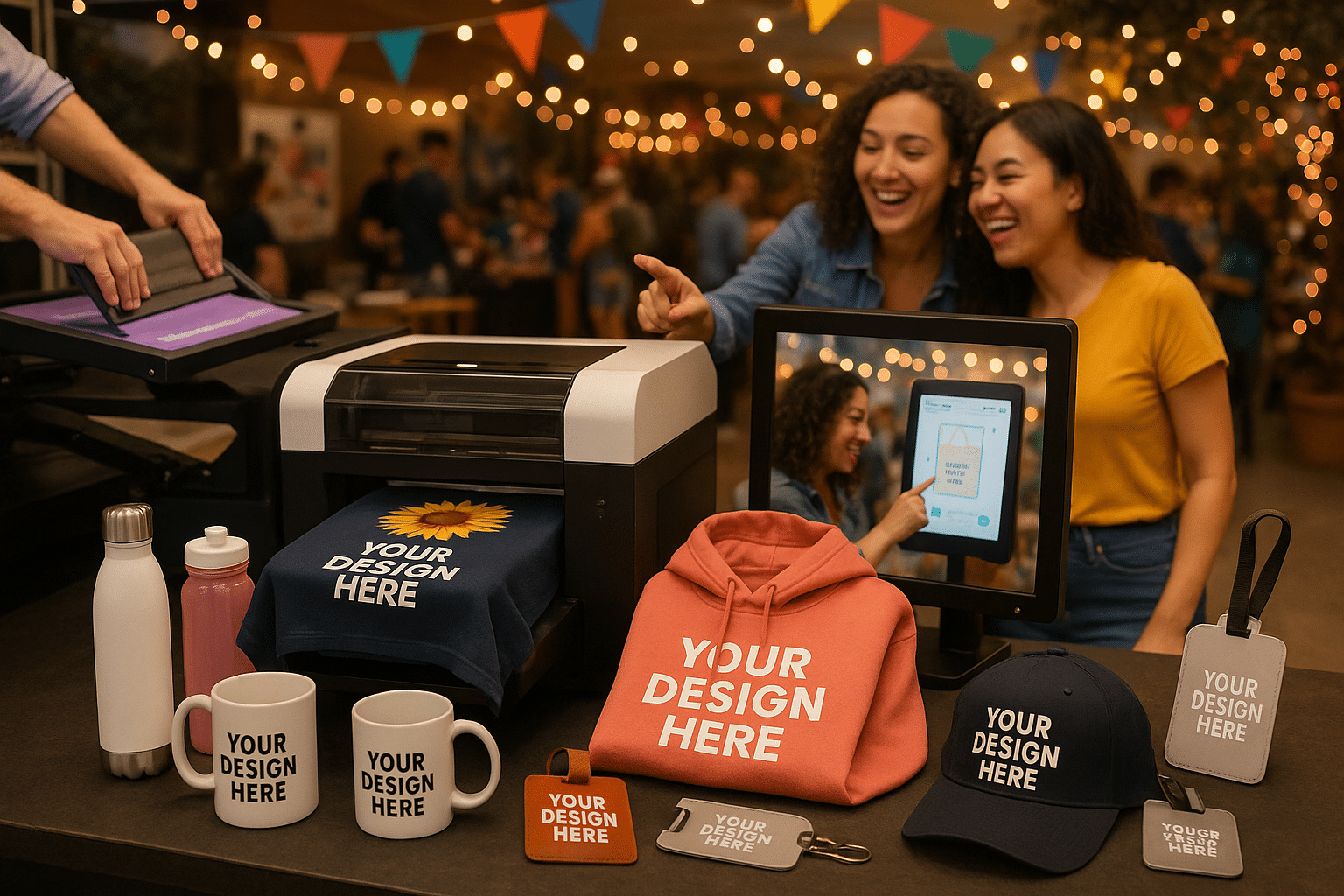
– **Personalized Favors**: Customized mugs and caps serve not only as memorable keepsakes but also as effective branding tools. Design mugs with the event logo or a memorable quote that encapsulates the occasion. Similarly, caps can feature fun designs that guests would proudly wear, expanding your event’s reach long after it has ended.
As you embark on your DIY journey, harness your creativity by exploring successful projects. For example, take inspiration from a wedding where the couple crafted handmade table settings adorned with family photos, coupled with unique labels for each table representing different milestones in their relationship. This personalized experience resonated with guests and reinforced the theme of love and togetherness.
Practical tips for execution are essential to ensure safety and efficiency during crafting. Always use non-toxic materials for decorations, especially when food is involved. When creating keepsakes, involve guests in crafting during the event, turning the activity into a fun photo opportunity—perhaps even prompting them to consider hiring a photo booth for capturing these special moments. The cost of a photo booth can vary widely based on features and packages, but the investment often pays off by providing fun, shareable content that enhances your event’s visibility.
DIY inspiration is not just about creating beautiful objects; it’s about fostering connection and building lasting memories. So go ahead, let your imagination flow and watch as your event becomes a beloved memory that resonates with guests long after it ends.
Marketing Your Event Successfully
Marketing your event effectively is essential for ensuring its success and creating an unforgettable experience for attendees. Here are some strategies tailored to elevate your marketing efforts and engage your audience:
– **Branding Significance**: Establish a strong brand identity for your event. Incorporating a consistent theme, logo, and color scheme across all promotional materials helps create recognition and anticipation. Every item, from thermal bottles to hoodies, should reflect your event’s branding.
– **Promotional Activities**: Consider early bird tickets, giveaways, and social media contests to draw in potential attendees. Leverage items like mugs or caps as prizes to enhance engagement. These promotional activities not only grab attention but also generate buzz.
– **Digital Marketing Methods**:
– **Email Newsletters**: Regular newsletters keep your event fresh in attendees’ minds. Share updates, sneak peeks, and exclusive offers.
– **Social Media Campaigns**: Utilize platforms like Instagram and Facebook to showcase behind-the-scenes content, and sneak peeks of items like laser-engraved products and custom luggage tags. Remember to use hashtags to increase visibility.
– **The Power of Compelling Visuals**: Engaging content, especially visuals, is key. Capture moments during the event through photography, particularly with captivating setups like a photo booth. This not only provides fun memories but serves as shareable content for social media. Encourage attendees to share their experiences—photos with a branded backdrop foster a personal connection.
– **Keywords in Content**: Utilize keywords effectively. For instance, include phrases like “hire photo booth” and “photo booth cost” in your blog to improve SEO ranking. This attracts potential customers searching for event solutions that include a fun photobooth experience.
– **Budgeting for Marketing**: Allocate a specific budget for each marketing channel. Consider costs for social media ads, email marketing software, and promotional materials. Investing wisely can lead to a greater return, driving attendance and enhancing brand visibility.
– **Creating Buzz Leading Up to the Event**: Start your marketing campaign months in advance to build excitement. Engage with your audience through teaser content and countdowns. Highlight interactive trends that can be featured at your event to pique interest.
By infusing creativity into your marketing strategies and leveraging engaging content, particularly with visual elements like a photo booth, you can transform the way potential attendees view and engage with your event, ensuring it stands out in a competitive landscape.
Behind the Scenes: Ensuring Event Success
Behind the scenes of successful event planning, the role of logistics cannot be overstated. Here are some crucial elements to consider:
– **Vendor Coordination**:
– Establish a clear line of communication with all vendors well in advance.
– Schedule regular check-ins to confirm timelines and expectations.
– Divide duties among team members for contact points to avoid confusion.
– **Site Setup**:
– Conduct a walkthrough of the venue to plan the setup efficiently.
– Create an event layout that includes stages, seating, and foot traffic flow.
– Confirm power access for lighting, AV equipment, and other essential tech.
– **Contingency Planning**:
– Always have a Plan B for outdoor venues; be prepared for different weather scenarios.
– Identify potential risks and develop strategies to mitigate them.
– Assemble an emergency kit containing first aid, tools, and necessary supplies.
Communication plays a vital role in ensuring everything runs smoothly on the event day. Strong teamwork can make the difference between a chaotic or seamless event. Here are some tips:
– **Delegating Responsibilities**:
– Clearly outline each team member’s role early on to empower them and reduce overlap.
– Utilize a chain of command for quick decision-making.
– Schedule a pre-event meeting to re-evaluate everyone’s responsibilities.
Key staff members are instrumental in orchestrating a successful event. Here’s a closer look:
– **Event Coordinators**:
– Focus on overall event flow, ensuring everything aligns with the agenda.
– Act as the primary point of contact for troubleshooting.
– **Event Managers**:
– Handle logistical details and supervise vendors on-site.
– Ensure all timelines are adhered to and proactively manage any issues that arise.
Consider the case study of a recent corporate gala that initially faced significant challenges, including last-minute vendor cancellations and logistical setbacks. Thanks to the flexibility and creative problem-solving skills of the event coordinator, the team quickly adapted to the situation. With rapid communication via a group chat, they managed to source alternative vendors within hours.
Additionally, implementing a real-time task tracker allowed everyone to stay accountable, demonstrating that proper delegation and teamwork can turn a potential disaster into a highly successful, well-coordinated event. With these insights, aspiring event planners can ensure they are prepared for any challenge, understand the importance of logistics, and appreciate the value of behind-the-scenes teamwork, ensuring a memorable and effective occasion for all attendees.
Conclusions
In today’s fast-paced world, successful event planning requires creativity and awareness of the latest trends. From hiring a photo booth to incorporating interactive elements, each detail contributes to a memorable experience. By embracing these tips and insights, you can ensure your event captures attention and leaves a lasting impression.