

Mastering Event Planning with Interactive Trends and DIY Inspiration
Mastering Event Planning with Interactive Trends and DIY Inspiration
Planning an event efficiently requires creativity, organization, and an understanding of the latest trends. In this article, we explore essential event planning tips, interactive trends, and DIY inspirations. We’ll also discuss marketing strategies, branding, and reveal behind-the-scenes insights and success stories to elevate your events—ensuring they are memorable experiences for everyone involved.
A Comprehensive Guide to Event Planning and Engagement
To master the art of event planning, it’s essential to focus on a few fundamental components that can significantly influence the success of your event. First and foremost, **setting clear objectives** is a must. Knowing what you want to achieve allows you to make informed decisions throughout the planning process. Have specific goals, whether it’s attendee engagement, brand awareness, or fundraising, and focus on metrics that align with these.
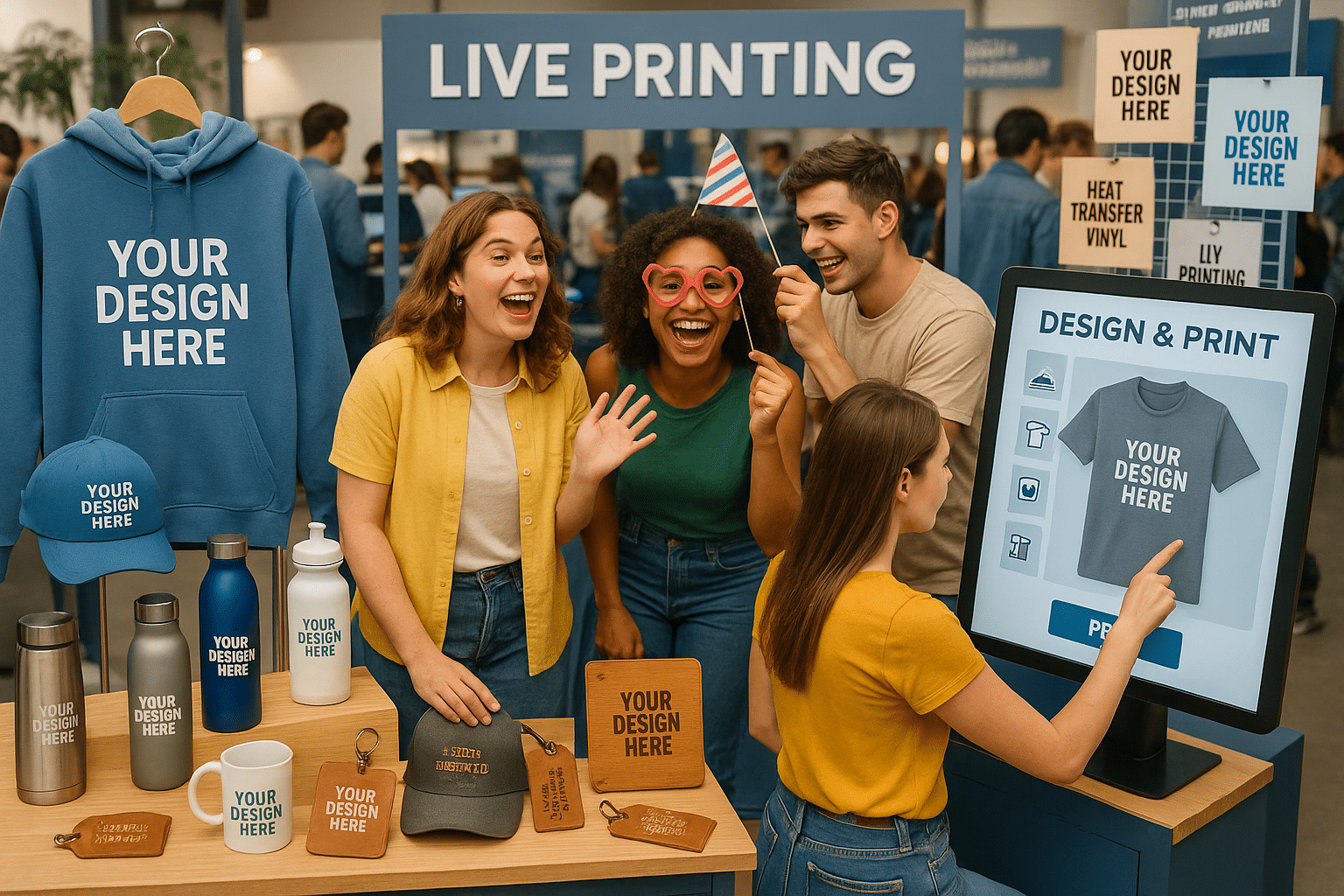
Understanding your audience is just as important. Cultivating a detailed profile of your potential attendees enables you to tailor every aspect of the event to meet their interests and preferences. Are they young professionals looking for networking opportunities? Families seeking fun? Tailor your themes, activities, and even your materials—like **thermal bottles** or **laser-engraved products**—to resonate with them.
**Budgeting effectively** is a pivotal part of the planning process. Allocate funds wisely to essential areas such as venue, supplies, and marketing. Consider hidden costs, and don’t skimp on quality as it often reflects directly on the experience.
Adopting **interactive trends** is a notable method to enhance attendee engagement. Incorporating technology, such as apps or real-time feedback tools, can offer immersive experiences that keep participants stimulated. Enable activities that require attendee participation, including workshops or networking games, ensuring that everyone is actively involved. An excellent addition to any event is a **photo booth**; it encourages social sharing and can serve as a fantastic icebreaker.
For those with a creative flair, **DIY inspiration** is beneficial. Using diverse materials for decor—think **custom mugs, hoodies, and caps**—not only enhances aesthetics but can turn into branded souvenirs. Simple yet effective decorations can transform a space; for example, table centerpieces made from luggage tags or photogenic items featuring your event’s branding can leave a lasting impression.
Incorporating **marketing strategies** through social media is crucial for promoting your event. Use platforms to share sneak peeks, engage with potential attendees, and create excitement. Building a distinct brand around your event fosters recognition. Consistent visuals, including engaging graphics and photos—especially those from engaging setups like your **photo booth**—will enhance visibility.
Lastly, glean insights from successful events. Valuable behind-the-scenes planning can reveal unforeseen challenges and triumphs, enabling you to adapt and refine your approach for future undertakings. Drawing from these experiences can greatly elevate your planning skills and help you create events that not only meet but exceed expectations.
Conclusions
In conclusion, successful event planning requires a blend of strategic budgeting, innovative ideas, and robust marketing. By integrating interactive trends and creative DIY inspiration, you can create memorable experiences that resonate with attendees. Remember to learn from success stories and behind-the-scenes insights to continuously improve your future events.