

The Ultimate Guide to Event Planning Success
The Ultimate Guide to Event Planning Success
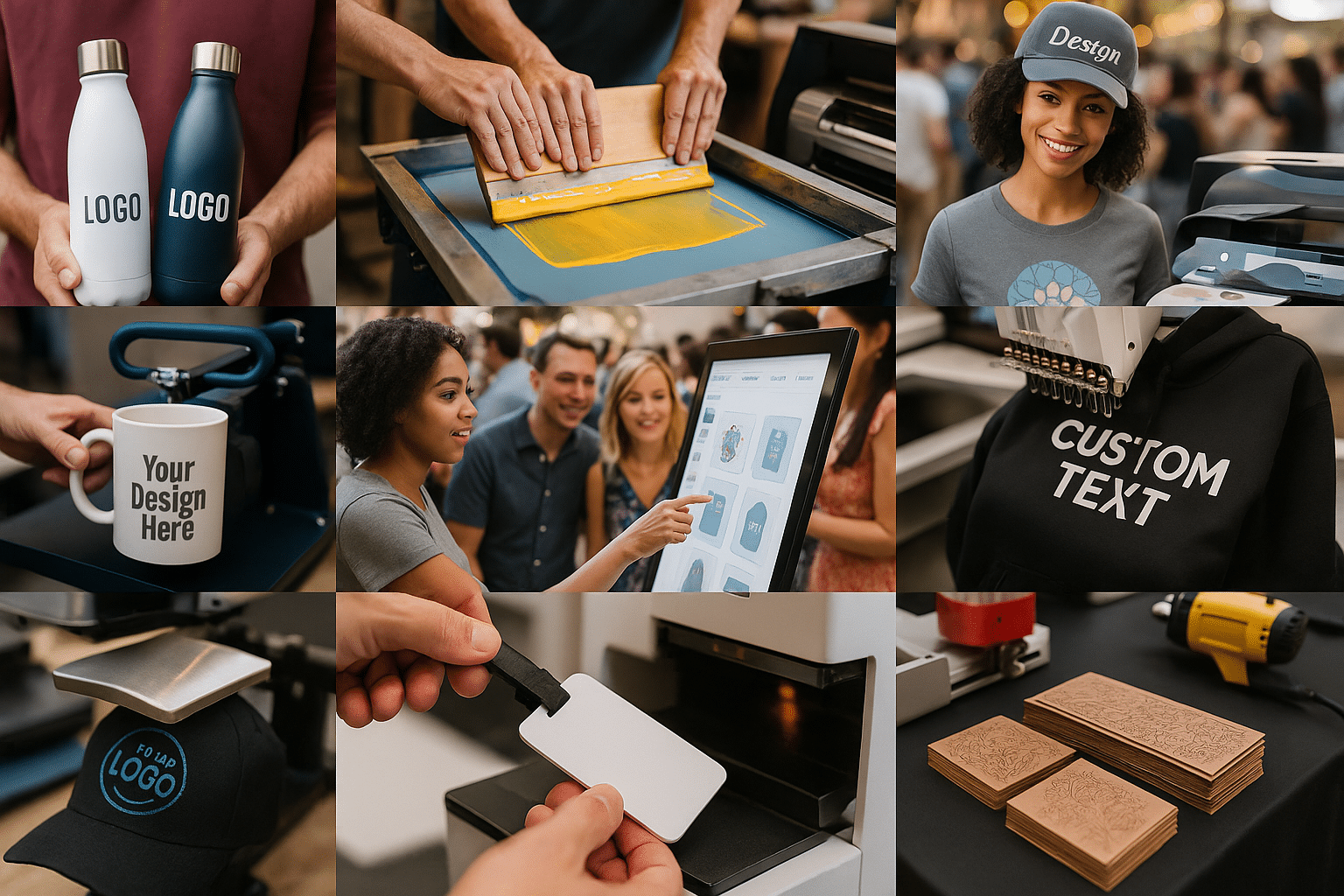
In today’s dynamic world of event planning, staying ahead of the curve is essential. This guide explores effective strategies, engaging trends, DIY inspiration, and branding tips for successful events. From interactive elements to behind-the-scenes insights, learn how to create memorable experiences that resonate with your audience while showcasing a range of customizable products.
Strategic Event Planning Techniques
Strategic event planning requires a deep understanding of both your brand and your audience to create truly engaging experiences. When conceptualizing your event, consider these essential techniques:
– **Identify Your Brand Values**: Your event should reflect your brand’s identity. Define what message you want to communicate and ensure that every detail aligns with this vision.
– **Know Your Audience**: Conduct audience research to understand their preferences, interests, and behaviors. This insight will help tailor your event to meet their expectations, ultimately enhancing engagement.
– **Theme Development**: Use insights from your brand and audience to develop a theme that resonates. A cohesive theme not only captivates guests but also strengthens brand recognition.
Once you have a clear concept, effective budgeting is crucial. Follow these steps for a streamlined budget process:
– **Itemize Expenses**: List all potential costs, including venue, catering, entertainment, and decor. Include engaging products like custom thermal bottles and branded mugs that enhance guest experiences.
– **Prioritize Spending**: Determine which elements are non-negotiable and allocate funds accordingly. Investing in interactive elements can make your event unforgettable.
– **Contingency Plan**: Set aside at least 10-15% of your budget for unforeseen expenses to avoid financial pitfalls.
Site selection is another critical component:
– **Location Accessibility**: Choose a venue convenient for your audience, ensuring adequate parking and public transport options.
– **Size and Ambiance**: Ensure the venue matches the expected attendance and aligns with the event theme. Unique spaces can create memorable experiences.
– **Facilities on Offer**: Confirm the venue has necessary amenities such as audiovisual equipment, seating arrangements, and catering facilities.
Vendor coordination is vital for successful event execution:
– **Establish Clear Communication**: Maintain open lines of communication with all vendors, from catering to entertainment, ensuring everyone understands your vision.
– **Regular Check-Ins**: Schedule pre-event meetings to confirm timelines and address any potential issues.
– **Post-Event Debrief**: Conduct a review with vendors to identify what worked well and what could improve future collaborations.
Incorporating engaging products at your event can elevate the experience. Offer attendees items like water bottles, hoodies, and caps. These not only offer utility but also promote your brand long after the event ends.
Integrating interactive trends like photo booths significantly enhances guest enjoyment. To optimize your event’s impact, consider the following:
– **Hire a Photo Booth**: This guarantees a fun, memorable experience.
– **Evaluate Photo Booth Cost Options**: Research various providers to find a cost-effective option without sacrificing quality.
– **Buy a Photo Booth**: If you regularly host events, investing in a photo booth can pay off in long-term savings and enhanced guest engagement.
In conclusion, strategic event planning, coupled with innovative elements and thorough vendor management, can ensure your event is not only successful but unforgettable.
Conclusions
Successfully planning an event requires careful consideration of various elements from marketing strategies to interactive designs. By leveraging these tips and trends, and utilizing diverse products effectively, you can create an unforgettable experience that captivates your audience. Remember, every detail matters in achieving event success.