
Top Event Planning Tips and Trends for Unforgettable Experiences
Top Event Planning Tips and Trends for Unforgettable Experiences
Planning an event can be both exciting and daunting. With unique challenges and opportunities, this article delves into event planning tips, interactive trends, DIY inspiration, efficient marketing, and branding strategies. Furthermore, we’ll explore essential items that make events memorable, such as thermal bottles, mugs, and even photo booths, ensuring success from concept to execution.
The Essentials of Event Planning
To create an unforgettable event experience, it’s essential to stay ahead of the curve by integrating modern trends and practical inspiration. Here are some tips and ideas to elevate your event planning:
- Engaging with interactive elements: Incorporating features like photo booths not only entertains guests but also serves as a unique branding opportunity. Photo booths can easily be hired for your event, and with various packages available, understanding the photo booth cost can help you plan accordingly.
- DIY inspiration: Allowing participants to engage in crafting their own decorations or souvenirs fosters a sense of ownership and creativity. Consider setting up stations where attendees can create personalized luggage tags or laser-engraved products as keepsakes.
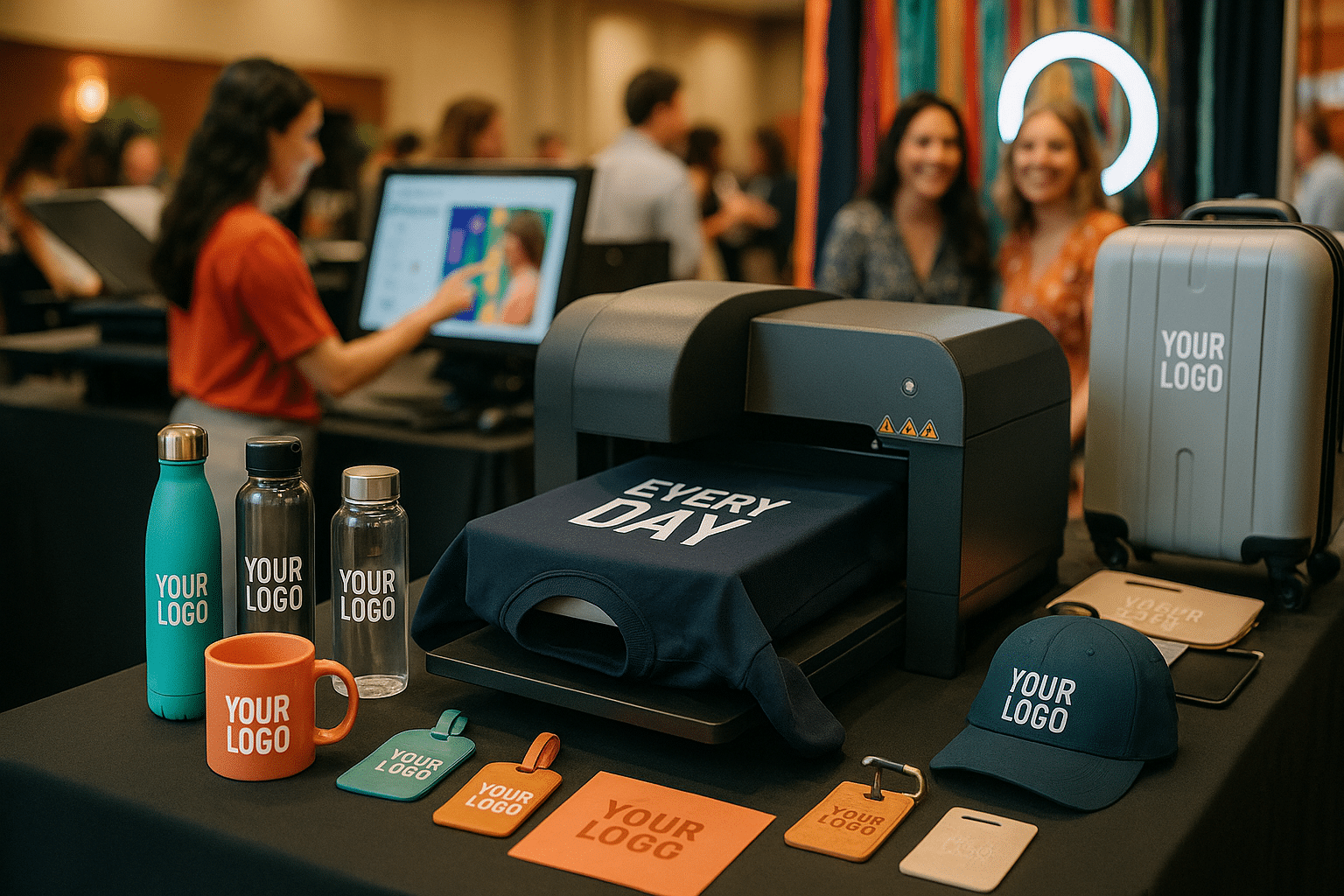
- Customizable giveaways: Showcase items like thermal bottles, water bottles, mugs, and hoodies that reflect your brand’s message. These products can double as functional gifts while also elevating your event’s branding.
- Themed photo opportunities: Create fun backdrops that encourage guests to snap pictures. Whether it’s a seasonal theme or a branded experience, this can enhance your photo booth offerings and encourage social media sharing.
- Behind-the-scenes insights: Share stories about your planning process or highlight key team members involved in the event. This transparency can build a connection with your audience and increase engagement before, during, and after the event.
- Event success stories: Feature testimonials from previous events that emphasize memorable moments or innovative ideas that worked well. This not only serves as inspiration for future events but can also attract potential clients looking for similar successes.
- Leverage social media: Promote the interactive elements of your event on platforms like Instagram or Facebook. Tease your audience with countdowns and sneak peeks, including details about hiring a photo booth or the types of DIY activities planned.
By embracing these trends and DIY concepts, you’re not just planning an event; you’re creating a vibrant experience that resonates with attendees and builds lasting memories. With thoughtful planning and creative execution, your next event can truly stand out in the minds of your guests.
Incorporating Interactive Trends and DIY Inspiration
Engagement is vital in modern events, making interactive trends essential. Here are some ideas to elevate your event planning game:
- Photo booths: They provide a fun and memorable experience, allowing guests to capture moments. You can hire a photo booth for a relatively low photo booth cost, enhancing your attendees’ experience while cleverly promoting your brand. Remember to incorporate custom branding on the photo printouts for increased visibility.
- DIY decor: Encourage attendees to actively participate by creating interactive displays or handmade items. Set up a DIY station where guests can personalize items like thermal bottles or mugs, fostering a community spirit and making attendees feel more connected to the event.
- Live activities: Organize workshops or live demonstrations to keep guests engaged and entertained. Think about offering hands-on sessions that relate to your event theme, perhaps showcasing how to use products such as laser-engraved items or custom luggage tags creatively.
- Interactive technology: Use apps or tools that facilitate attendee interaction. This can include live polls or Q&A sessions where guests can participate directly, strengthening their connection to both the event and your brand.
- Engagement through giveaways: Give away branded merchandise like hoodies, caps, or water bottles to attendees. This not only serves as a take-home memory but also benefits your brand visibility as guests continue to use these items post-event.
Moreover, you can amplify your marketing efforts by creating content that showcases these interactive elements. Start a blog on your website, custom.live, focusing on well-curated event planning tips and trends. Incorporate engaging titles featuring “photo booth,” such as “5 Reasons to Hire a Photo Booth for Your Next Event” or “Creating Unforgettable Experiences: The Cost of Buying a Photo Booth.” In the blog content, use keywords like buy a photo booth, ensuring that you capture a wider audience searching for related topics.
Incorporating these interactive elements not only enhances the event but also strengthens brand engagement through memorable experiences. These trends invite attendees to participate meaningfully, ultimately leaving a lasting impression that extends beyond the event itself.
Effective Marketing and Branding Strategies
Creating an engaging blog for your event planning website, such as custom.live, is vital to attract audiences and offer valuable insights. Here are some effective strategies to consider when writing your SEO-focused articles:
- Incorporate trending topics: Highlight themes related to event planning like interactive booths, DIY inspirations, and unique branding ideas. Content relevant to these subjects will resonate with readers and improve organic search rankings.
- Utilize SEO keywords: Embed related phrases like “hire photo booth,” “photo booth cost,” and “buy a photo booth” naturally throughout your blog. This improves searchability, making it easier for potential clients to find your content while not compromising on the overall quality and flow of your writing.
- Share product highlights: Showcase memorable items that attendees love, such as thermal bottles, water bottles, mugs, hoodies, caps, luggage tags, and laser-engraved products. Create articles focused on how these items can enhance events or act as perfect giveaways.
- DIY project guides: Offer step-by-step processes on crafting unique event decorations or personalizing merchandise. For instance, share tips on how to design custom luggage tags or create interactive backdrops for photo booths, encouraging event planners to incorporate DIY elements into their setups.
- Behind-the-scenes insights: Provide readers with a glimpse into the planning processes. Discuss the importance of teamwork and communication, the significance of pre-event setups, or how to create impactful photo booth experiences. Behind-the-scenes content adds authenticity and relatability for your audience.
- Event success stories: Share case studies or testimonials from previous events, focusing on challenges faced and how they were overcome. Explore how certain trends, like a photo booth, contributed to the event’s overall success. This not only showcases your expertise but also builds credibility with prospective clients.
- Engaging titles: Mix up your blog titles, some can incorporate the term “photo booth” while others may focus solely on broader themes. Examples include “Top 5 DIY Ideas for Memorable Events” or “Why Hiring a Photo Booth is Essential for Your Next Event.”
By implementing these tips, you can create a dynamic and engaging blog that attracts your audience, educates them about the world of event planning, and showcases the unique items and experiences that custom.live can offer.
Behind-the-Scenes Insights for Event Success
The foundation of successful event planning involves not just vision and creativity, but also a deep understanding of the behind-the-scenes efforts that ensure everything runs smoothly. These vital elements lay the groundwork for an unforgettable experience, enhancing both attendee satisfaction and overall event success. Here’s what to prioritize:
- Team leadership:
- Designate clear roles and tasks to each team member. This specificity promotes responsibility.
- Hold regular check-ins to ensure everyone is aligned and aware of their duties.
- Create a contingency plan for each role in case unexpected challenges arise.
- Effective communication:
- Establish open channels for communication among team members, vendors, and attendees before, during, and after the event.
- Utilize group messaging apps or project management tools to keep everyone informed on decisions and changes.
- Designate a point person for managing vendor relationships to ensure a cohesive, smooth operation.
- Logistics management:
- Create a detailed timeline of the event’s schedule, including when to set up item displays like thermal bottles, mugs, and other merchandise.
- Ensure all necessary equipment, such as the photo booth, is available and working properly in advance of the event.
- Plan for the placement of interactive features, ensuring they invite engagement and contribute positively to the flow of the event.
- Gathering and analyzing feedback:
- Implement feedback processes that allow attendees to share their experiences during and after the event.
- Use short surveys delivered via email or QR codes to collect insights about what attendees loved or what could be improved.
- Analyze feedback to discover trends and patterns that can enhance future events.
- Real-time problem-solving:
- Empower team members to make on-the-spot decisions, particularly in high-pressure situations.
- Encourage a problem-solving mindset among the staff to foster flexibility and creativity.
- Have backup options ready, whether it’s extra staff for a busy booth or additional merchandise like caps and luggage tags to cater to demand.
By focusing on these behind-the-scenes efforts, event planners can elevate their events from merely acceptable to truly spectacular, ensuring that attendees leave with unforgettable memories and a desire to return in the future.
Conclusions
In conclusion, effective event planning combines creativity, strategic marketing, and engaging elements like photo booths. By incorporating diverse items and understanding the latest trends, you can create memorable experiences that resonate with attendees. Remember to focus on the details, as they play a crucial role in event success, guaranteeing satisfaction for both planners and participants.