

Ultimate Guide to Event Planning Success
Ultimate Guide to Event Planning Success
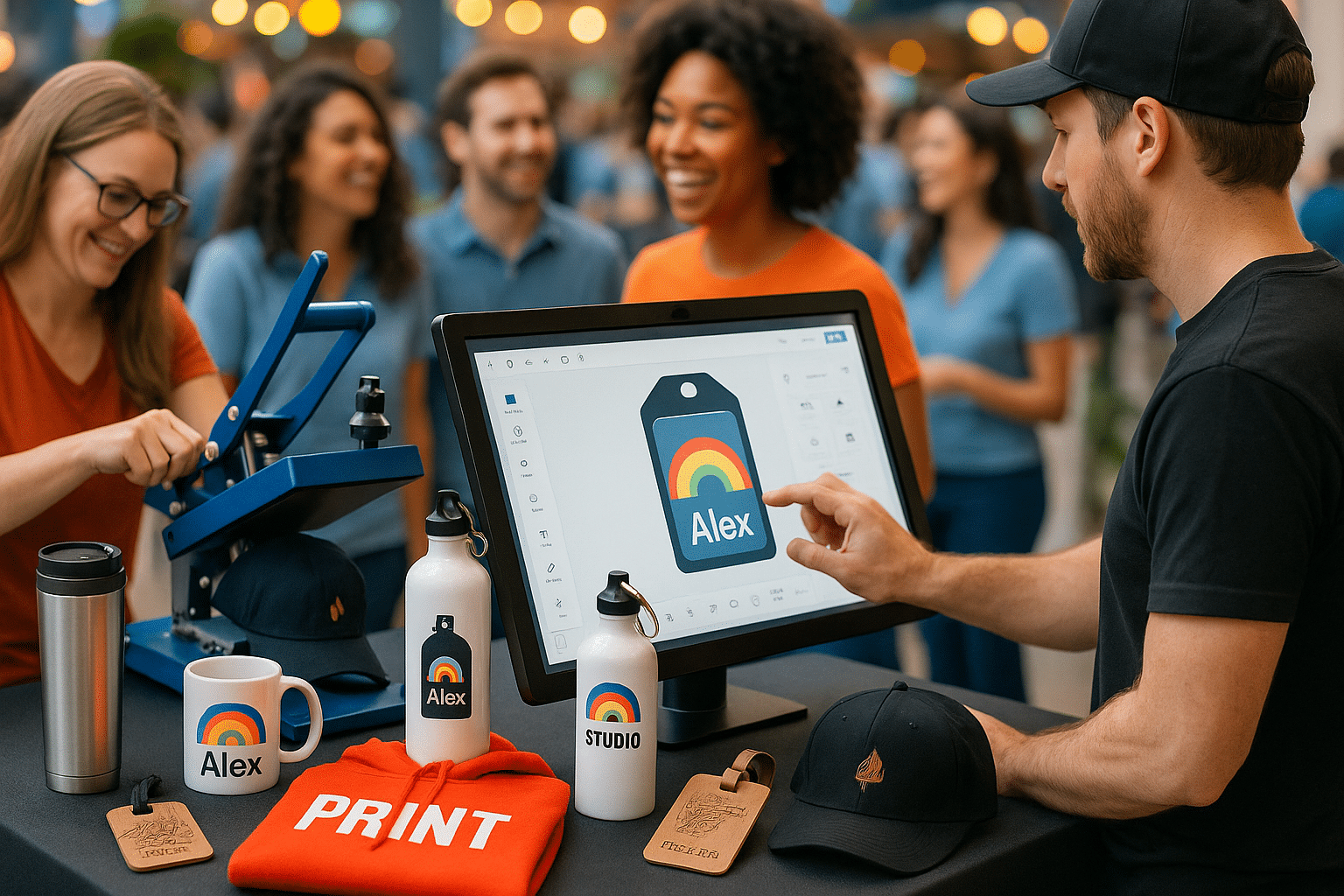
Planning an event can be a thrilling yet challenging task. This article delves into effective event planning tips, interactive trends, DIY inspiration, and marketing strategies. We will also highlight successful event stories while showcasing unique products such as thermal bottles, mugs, and photo booths to enhance your event experience.
Event Planning Essentials
To achieve event planning success, it’s vital to start with a clear understanding of objectives and audience preferences. This foundational step guides every decision throughout the planning process. Here are some essential considerations to keep in mind:
– **Define Event Objectives**: Are you aiming to inform, entertain, or promote a product? Clear objectives will shape your event’s messaging and activities.
– **Know Your Audience**: Understanding the demographics and preferences of your attendees influences venue choice, catering, and engagement activities. Tailor your content and experiences to resonate with them.
Managing budgets is another critical aspect. Here are practical tips for effective budget management:
– **Create a Detailed Budget**: List all potential expenses, including venue costs, catering, décor, and entertainment.
– **Prioritize Spending**: Allocate funds to elements that directly contribute to your core objectives. For example, a memorable experience might justify the expense of hiring a photo booth.
– **Monitor Expenses**: Keep track of all costs as they occur. Utilizing spreadsheets or budget management software can be incredibly beneficial.
Venue selection requires careful consideration of both logistics and aesthetics:
– **Accessibility Matters**: Ensure the venue is easy to reach via public transport and has adequate parking facilities.
– **Consider Atmosphere**: Choose a space that aligns with your theme and attendee expectations. An inviting environment encourages engagement.
– **Understand Venue Limitations**: Ensure the venue can accommodate your planned activities, including any need for power supply for tech equipment or space for a photo booth.
Timelines must also be carefully curated to keep everything on track:
– **Develop a Comprehensive Timeline**: Outline key milestones leading up to the event—booking deadlines, vendor confirmations, and final checks.
– **Be Flexible and Prepared**: Events often require last-minute changes. Having a backup plan ensures smooth transitions.
Incorporating engaging features, such as a photo booth, can greatly enhance guest interaction. Consider the benefits:
– **Memorable Keepsakes**: Guests love taking home tangible memories, and a photo booth provides just that.
– **Engagement Increase**: Hired photo booths encourage networking and social interaction among attendees.
To further enhance branding, use DIY methods:
– **Custom Cardstock for Branding**: Create personalized name tags or signage that reflect your brand.
– **Unique Luggage Tags**: These make fantastic takeaways or gifts, serving both a practical purpose and reinforcing your brand.
Finally, collecting feedback post-event is essential to measure success and drive improvement:
– **Feedback Forms**: Distribute surveys to gather insights on attendee experiences.
– **Analyze Responses**: Use this feedback constructively to refine future events based on attendee preferences and ideas.
By focusing on these essential elements, event planners can create unforgettable experiences that resonate with attendees and elevate their brand.
Conclusions
In conclusion, successful event planning involves a blend of creativity, organization, and understanding current trends. By incorporating interactive elements, DIY projects, and effective marketing strategies, your events can leave lasting impressions. Embrace these insights to elevate your next gathering to new heights of success.