

Ultimate Guide to Innovative Event Planning
Ultimate Guide to Innovative Event Planning
Event planning is an intricate art that combines creativity, organization, and innovative insights. From photo booths to DIY inspirations, this article explores essential tips for creating memorable events. Whether you’re hiring a photo booth or selecting unique branded items like thermal bottles and hoodies, we’ll provide comprehensive insights for every aspect of event success.
Understanding Event Planning Essentials
In the rapidly evolving landscape of event planning, leveraging current interactive trends is essential to enhance guest experiences. One such trend that has gained significant traction is the incorporation of photo booths, which not only serve as entertainment but also as effective branding tools.
– **Types of Photo Booths**
– *Open Air Photo Booths*: Offers a spacious setting, allowing for larger groups and varying backdrops.
– *Enclosed Photo Booths*: Provide privacy for guests, often resulting in more spontaneous and candid moments.
– *GIF Photo Booths*: Create short, looped animations that can be instantly shared, appealing to a tech-savvy audience.
– *360 Photo Booths*: Capture immersive experiences from all angles, creating unique and engaging content.
– **Features to Consider**
– *Customization Options*: Look for vendors that allow you to personalize backdrops, props, and prints with your event logo or theme.
– *Integration with Social Media*: Choose booths that enable guests to share their photos instantly on platforms like Instagram and Facebook, amplifying your event’s reach.
– *High-Quality Prints*: Ensure that the vendor uses professional-grade equipment for photos that guests will cherish.
– *User-Friendly Interface*: A booth that is easy to operate encourages higher participation.
– **Tips for Selecting a Photo Booth Provider**
– *Research Costs*: Begin by comparing the photo booth cost across different providers. Typically, prices range based on features and duration of service.
– *Read Reviews*: Look for customer testimonials that reflect reliability and quality of service.
– *Ask for Referrals*: If you have connections in the wedding or event planning industries, soliciting recommendations can yield trustworthy options.
– *Inquire about Packages*: Many providers offer bundled deals which may include props, backdrops, and prints, making it a cost-effective choice.
In addition to photo booths, incorporating diverse branded items can further engage your attendees, creating lasting memories. Consider the following:
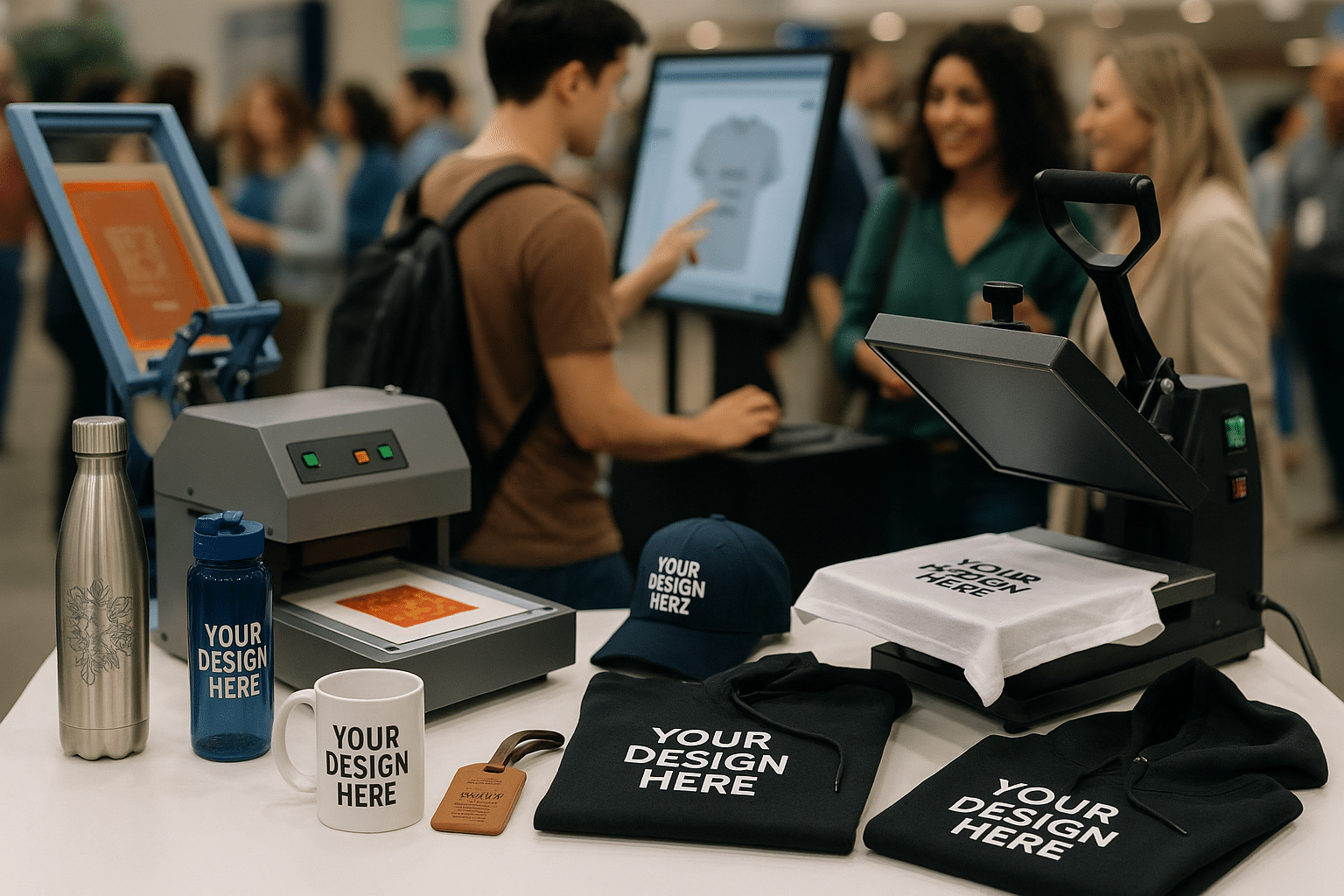
– *Thermal Bottles and Water Bottles*: Essential for hydration and can be branded to reflect your event theme.
– *Mugs and Hoodies*: Perfect for comfort and daily use, keeping your event in the minds of guests long after it’s over.
– *Caps and Luggage Tags*: Practical items that also serve as marketing tools, enhancing brand visibility.
By incorporating these interactive elements, such as photo booths and branded giveaways, you can significantly uplift the attendee experience. This blend of creativity and practicality not only makes your event memorable but also strengthens your brand identity. As you venture into planning your next event, remember that the experiences you create for guests can lead to meaningful connections and long-term loyalty.
Leveraging Trends for Engagement
In today’s dynamic event landscape, interactive elements play a pivotal role in enhancing guest experiences. One standout feature that consistently captures attention is the photo booth. Not only do photo booths serve as an entertaining activity, but they also provide lasting memories for guests. Here, we’ll explore the current trends in photo booths and how they can elevate your event.
– **Types of Photo Booths**:
– **Open-Air Photo Booths**: These offer a broader backdrop and can accommodate larger groups, perfect for networking events or weddings.
– **Enclosed Photo Booths**: Classic and popular, these provide privacy, making them ideal for intimate gatherings.
– **Mirror Booths**: Combining technology and interactivity, mirror booths allow guests to take photos with touch-screen features and animated prompts.
– **GIF Booths**: Fun and trendy, GIF booths create short animated clips that guests can instantly share on social media.
– **Features to Consider**:
– **Customizable Backdrops**: Tailor the backdrop to reflect your event’s branding and theme.
– **Print Options**: Choose between instant photo prints and digital copies to suit your audience’s preferences.
– **Social Media Integration**: Ensure that guests can share their photos online, increasing your event’s visibility.
– **Props and Accessories**: Provide fun props to encourage creative photo opportunities, enhancing engagement.
When contemplating how to hire a photo booth, consider these factors:
– **Cost**: Compare packages from various vendors. Understand what’s included in terms of features and rental duration.
– **Customization Options**: Look for providers that allow logo placements or themed props to enhance brand awareness throughout the event.
– **Reviews and Portfolio**: A reliable provider should showcase past work and feedback from previous clients to ensure quality service.
Incorporating diverse branded items can further engage your attendees. Consider using useful items such as:
– **Thermal Bottles and Water Bottles**: Perfect for hydration, especially at outdoor events.
– **Mugs**: Customized mugs serve as great take-home souvenirs.
– **Luggage Tags**: Ideal for travel-themed events; personalized luggage tags are both functional and memorable.
– **Hoodies and Caps**: Wearing event merchandise is a powerful way for guests to feel connected long after the day has ended.
– **Laser-Engraved Products and cardstock items**: Showcase quality branding that your guests will appreciate.
In conclusion, embracing interactive trends like photo booths, combined with thoughtful branding items, can significantly enhance the event experience, fostering connections and leaving a positive impression long after the event ends.
Creative DIY Inspirations for Events
Event planners seeking to inject a personal touch into their events can greatly benefit from creative DIY inspirations. Crafting unique decorations and favors not only enhances the overall experience but also leaves unforgettable memories in the minds of attendees. By utilizing various customizable items, planners can elevate their events while showcasing individual creativity.
– **Custom Mugs**: Personalizing mugs for guests can be both functional and memorable. Consider these steps:
– Choose a color scheme or theme for your event.
– Design custom graphics or quotes that resonate with the theme.
– Use a reputable printing service or DIY methods to apply designs to the mugs.
– Give these away as welcome gifts or use them at the beverage station.
– **Luggage Tags**: Luggage tags are not only practical but can serve as fun mementos.
– Select durable materials that can withstand travel.
– Personalize each tag with the guest’s name and a unique design, such as an event logo or theme.
– Distribute these tags during registration or as part of a gift bag to enhance the travel experience.
– **Interactive Decorations**: Enhance the event atmosphere with engaging decorations:
– Create a photo booth backdrop that aligns with the theme. It can be as simple as a patterned fabric or as elaborate as a customized mural.
– Utilize laser-engraved items like wooden signs that can guide guests to various sections of your event, adding an artistic flair.
– **Personalized Favors**: Offering personalized favors can leave a lasting impression:
– Craft DIY candles or soaps packaged in customized cardstock boxes with guest names.
– Use thermal bottles or water bottles with event branding, allowing guests to take home a piece of the celebration.
– **Thematic Centerpieces**: Centerpieces that connect to the event’s theme can impress guests:
– Consider a combination of fresh flowers and laser-engraved wooden bases showcasing each table’s number or a special message.
– Incorporate life-sized props related to your theme that guests can interact with.
Incorporating individual touches not only engages attendees but also strengthens connections with them. Each item, from a customized mug to a personalized luggage tag or unique decoration, can enhance the overall experience. Furthermore, the planning process itself can be an enjoyable and fulfilling journey. As you create these custom items and decorations, you’ll not only add character to your event but also foster a sense of community and belonging among participants. By encouraging creativity in personal touches, event planners can ensure that their events not only resonate with attendees but become cherished memories that stand the test of time.
Marketing and Branding Strategies
Marketing and branding strategies are vital for event planners to establish a memorable presence, engage the audience, and ensure the success of their events. Effective promotion can make a significant difference in attendance and engagement, allowing planners to cultivate a loyal community around their brand. Here are some essential strategies to consider:
– **Leverage Social Media**:
– **Platform Selection**: Identify which platforms your target audience frequents. Use Instagram for visual storytelling, LinkedIn for professional events, and Facebook for community engagement.
– **Content Creation**: Develop engaging content like behind-the-scenes shots, sneak peeks of event preparations, and testimonials from past events. Regularly post updates to maintain interest and excitement.
– **Interactive Elements**: Incorporate polls, Q&A sessions, or countdowns to your event. Encourage user-generated content by prompting attendees to share their experiences with a specific hashtag.
– **Email Marketing**:
– **Personalized Campaigns**: Craft targeted email campaigns that resonate with different segments of your audience. Use engaging subject lines and attractive visuals to grab attention.
– **Automated Reminders**: Schedule reminders leading up to the event. Include valuable information like event details, speaker highlights, and exclusive offers.
– **Follow-Up Surveys**: After the event, send out surveys to collect feedback. This not only enhances future events but also shows attendees that their opinions matter.
– **Traditional Media**:
– **Leverage Local Press**: Use press releases to attract local media coverage. Highlight unique aspects of your event, such as key speakers or innovative features like a photo booth.
– **Posters and Flyers**: Consider traditional advertising methods, especially for local events. Strategically place posters or hand out flyers in locations frequented by your target audience.
– **Building a Strong Brand Presence**:
– **Brand Consistency**: Ensure that your branding elements like logo, colors, and messaging are consistent across all platforms and materials, from invitations to social media posts.
– **Event Merchandise**: Utilize custom items like thermal bottles, water bottles, mugs, and hoodies as promotional merchandise. They not only serve as useful giveaways but also reinforce brand recognition.
– **Utilize Feedback and Success Stories**:
– **Testimonials**: Share success stories and testimonials prominently on your website and in promotional materials. This adds credibility and encourages potential attendees to participate in future events.
– **Learning from Feedback**: Actively collect and analyze feedback from attendees. Use this information to improve logistics, offerings, and overall experience for future events.
With these strategies, event planners can enhance their marketing efforts, solidify their brand presence, and create a lasting impact before, during, and after their events.
Behind the Scenes of Event Success
Successful event planning is not just about the glamorous, public-facing aspects; it’s essential to delve into the intricate behind-the-scenes work that contributes to a seamless experience. Without a careful balance of coordination, logistics, and contingency planning, even the best concept can falter.
– **Vendor Coordination**: Collaborating with vendors is critical. Consider working with multiple suppliers for essential items like thermal bottles, water bottles, and laser-engraved products. Having backup options ensures you’re not stranded if a supplier fails to deliver.
– **Logistics Management**: This includes managing transportation for guests, setting up the venue, and ensuring that timing aligns with the event schedule. A misplaced thermal bottle or delayed delivery of swag like mugs or hoodies can create chaos.
– **Emergency Plans**: Always have contingency plans in place for unexpected challenges. For instance, what if a supplier doesn’t arrive? Establish relationships with on-call vendors who can step in quickly. Similarly, have safety measures prepared for different scenarios, from weather issues to equipment malfunctions.
Real-life examples help illustrate the importance of these preparations. At a recent corporate event, a key vendor was late with their delivery of signage and merchandise, including caps and luggage tags. With careful prior coordination, the event planner was able to quickly source similar items from another supplier, ensuring that there was no significant delay.
Similarly, at an outdoor festival, storm clouds suddenly appeared. The event team executed their emergency plan, utilizing covered areas and promptly communicating with guests through social media channels established in marketing strategies. This adaptability was key in maintaining the event’s momentum despite external challenges.
Moreover, having a solid understanding of costs associated with varying options such as hiring or buying a photo booth can also take the stress out of last-minute decisions. Guests love photo booths, but falling short on a booking can lead to unmet expectations if not anticipated beforehand.
This preparation is what separates successful events from mediocre ones. The hard work behind the scenes sets the stage for attendees to enjoy themselves fully, reinforcing the value of comprehensive event planning strategies that prioritize not only creativity but also thoroughness.
Conclusions
In conclusion, successful event planning hinges on a blend of creativity, strategic marketing, and attention to detail. By incorporating trends like interactive photo booths and personalized merchandise, you can create engaging experiences that resonate with your audience. Remember, the key to effective event management is thoughtful planning and execution.